
News Summary
The League of Women Voters of South Carolina recently hosted a screening of the documentary ‘Banned Together’ in Charleston, drawing attention to the contentious issue of book bans in public schools. The film follows three high school students from Beaufort County who advocate for the preservation of diverse literature in school libraries. Audience discussions after the screening highlighted the ongoing conflict between educational freedom and parental rights in shaping school curriculums, illustrating the wider implications of censorship in education.
Charleston – The League of Women Voters of South Carolina recently hosted a screening of the documentary Banned Together at the Queen Street Playhouse, drawing an engaged audience of community members interested in the ongoing debate surrounding book bans in public schools. The documentary chronicles the experiences of three high school students from Beaufort County who have actively opposed the removal of books from their school district’s libraries.
The film provides a critical eye on the local book ban issue, highlighting specific events that followed the controversial removal of 97 titles from school libraries in Beaufort County. These actions were primarily initiated by a small group of parents and concerned residents who voiced their objections to specific content they deemed inappropriate.
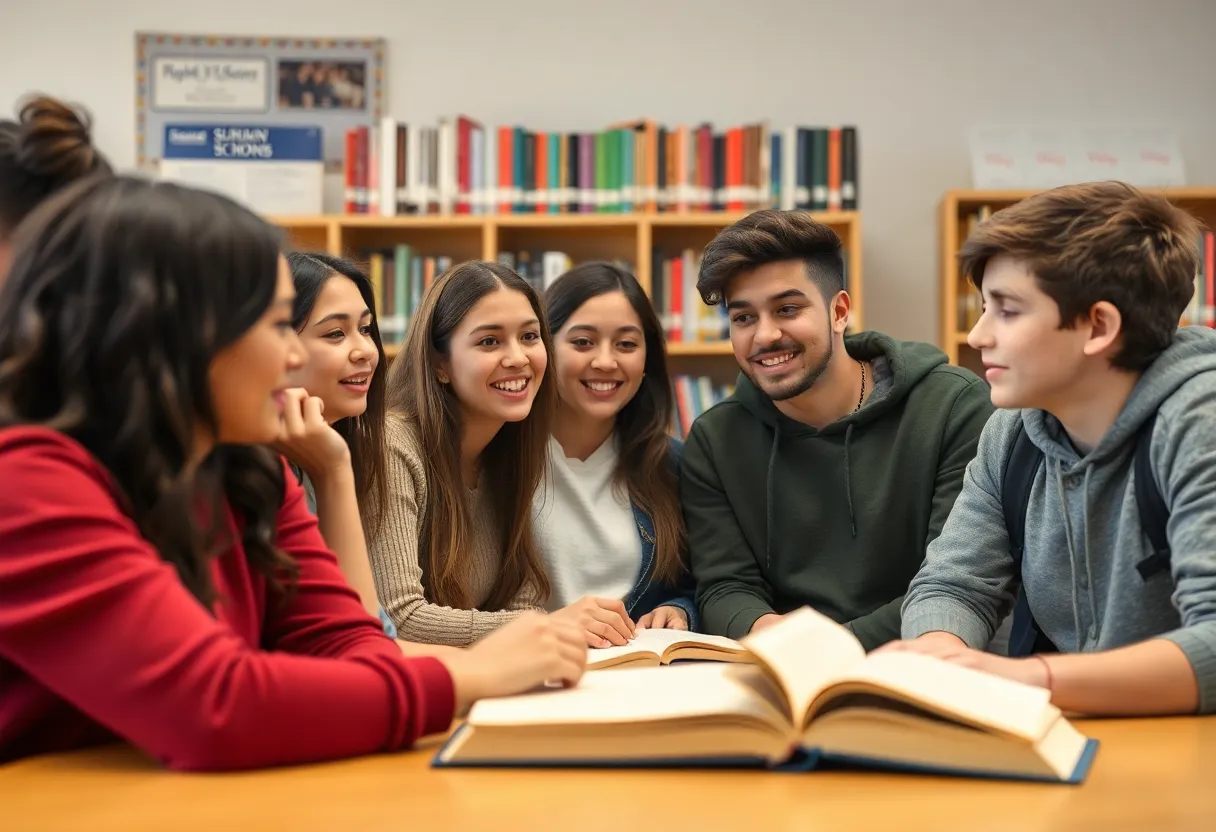
Among the students featured in the documentary is Isabella Troy-Brazoban, who was a high school senior at the time. Unintentionally, she attended a school board meeting that would mark the beginning of her activism. Throughout the film, the students depict their determination to maintain access to a diverse range of literature that they assert fosters empathy and connection among peers.
Statistics reveal that South Carolina stands at the forefront of the book ban movement, currently leading the nation with a notable number of statewide restrictions. Reports from PEN America indicate that at least 22 titles have faced removal or restrictions across public schools in the state. Noteworthy banned titles include All Boys Aren’t Blue by George M. Johnson, Ugly Love by Colleen Hoover, and Normal People by Sally Rooney.
The bans typically stem from challenges made by individual parents, particularly in Beaufort County, where concerns over sexual content have dominated public discourse. In response to these complaints, a new South Carolina Department of Education regulation has been introduced. This regulation necessitates that teachers catalog their classroom materials and outlines a structured protocol for parents to challenge books they find objectionable.
The South Carolina Board of Education holds the ultimate authority in deciding on book removal requests after parental challenges are submitted. Critics of the policy, including representatives from the ACLU of South Carolina, contend that it allows the preferences of a single parent to dictate the educational resources available to an entire student body.
During the Charleston screening, the audience participated in a 30-minute talkback session following the film. Attendees engaged in lively discussions about the implications of book bans and efforts to curb censorship. Members of Families Against Book Bans highlighted that the students’ fight represents a larger community issue concerning educational freedom and access to varied narratives.
While some educators and community members expressed support for maintaining a wide array of educational materials, others voiced concerns regarding the need to protect students from potentially harmful content. This tension illustrates the division within the community regarding the balance between educational freedom and parental rights in shaping school curriculums.
As the debate surrounding book bans continues to evolve, Banned Together aims to motivate individuals to advocate for the issues they care about while fostering discussions on the importance of diverse literary representation in educational settings. The film serves as a testament to the power of student activism and the ongoing dialogue about censorship in America’s classrooms.
Deeper Dive: News & Info About This Topic
HERE Resources
South Carolina Leads in Nationwide Book Bans
Supreme Court Restores Voting Rights for Censured Lawmaker
South Carolina Leads Nation in Public School Book Bans
South Carolina Leads Nation in School Book Bans
Additional Resources
- ABC News 4
- Wikipedia: Book censorship
- Post and Courier
- Google Search: book bans South Carolina
- Live 5 News
- Google Scholar: book bans public schools
- Charleston City Paper
- Encyclopedia Britannica: book bans
- WISTV
- Google News: book bans Charleston