
News Summary
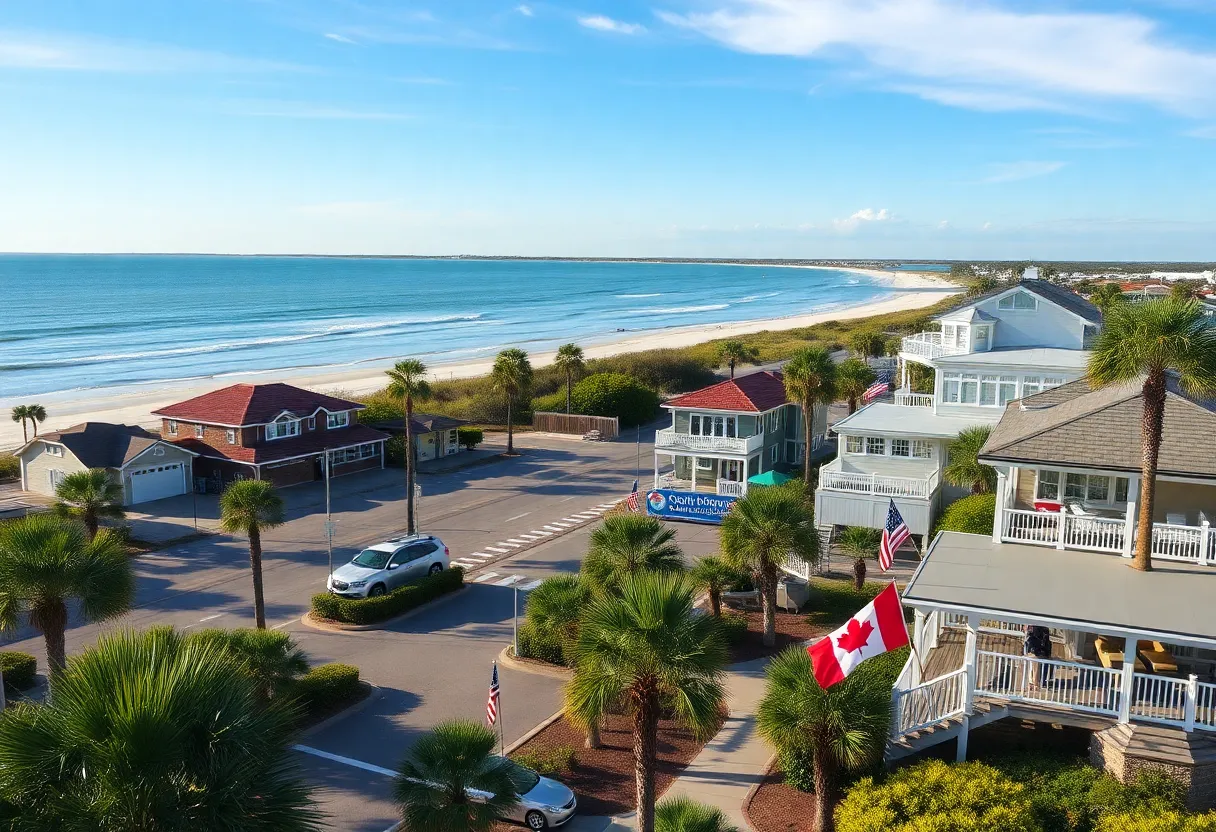
A notable drop in Canadian tourists visiting Hilton Head Island is alarming local businesses and stakeholders. With Canadian travelers making up the largest share of foreign visitors, the decline—33% in June compared to the previous year—could have substantial effects on the local economy. Factors such as diplomatic tensions, economic concerns related to exchange rates, and negative sentiments may discourage Canadian visits, prompting area businesses to shift their marketing focus toward attracting local tourists.
Hilton Head Island, South Carolina – A significant decline in visits from Canadian tourists is raising concerns among businesses and stakeholders in the Hilton Head area, a popular destination for visitors from Canada. Canadian travelers account for the largest share of foreign tourists to Hilton Head Island, Beaufort County, and South Carolina overall. Reports indicate that return car trips from the U.S. to Canada have decreased for six consecutive months, culminating in a 33% decline in June compared to the same month in 2024.
This downturn marks a troubling trend for the local economy, especially as Canada typically sends more visitors to the U.S. than any other nation. In 2023, about 328,000 Canadians visited South Carolina, contributing to approximately 63% of the state’s international tourism figures, according to Travel South USA. Canadians not only travel to Hilton Head but also frequently stop in Beaufort for a night or two, highlighting their role in the region’s tourism landscape.
Several factors are contributing to the drop in tourist numbers. Diplomatic tensions between the U.S. and Canada have been exacerbated by remarks made by former President Trump regarding Canada potentially becoming the “51st state,” as well as newly implemented tariffs. Economic concerns stemming from a fluctuating exchange rate are also playing a role, with the current value of the Canadian loonie standing at $1.37 per U.S. dollar. As foreign tourists typically spend more during their visits than domestic travelers, this decline could have a significant impact on local businesses relying on their patronage.
In light of these circumstances, Stephen Fine, president and managing editor of Snowbird Advisor, has noted a growing negative sentiment among Canadians towards traveling to the U.S. While some Canadians insist that international events will not affect their travel plans, there is a noticeable hesitance among others. One Canadian couple, who have visited Hilton Head regularly for 11 years, recently canceled their planned stay in early 2026. The couple attributed their decision to concerns over the exchange rate and unsettling experiences that indicated anti-Canadian sentiment in the area.
Local residents have taken notice of these shifting dynamics. Debbie Clements, a property owner, expressed surprise that her long-term Canadian renters opted to cancel their stays due to these sentiments. Such incidents may foreshadow further consequences for Hilton Head’s tourism sector, especially as international visitors generally represent about 3-5% of annual visits to the island.
Despite the current apprehension, some Canadian tourists continue to plan trips to Hilton Head Island. Dave Guthmann and his wife, who have been visiting the area annually for four years, intend to uphold their travel schedule, although they remain aware of the prevailing political climate. Guthmann expressed confidence in the warmth and hospitality he and his wife have received from locals, but recognizes that negative reactions towards Canadians could influence their future travel choices.
Local businesses and tourism organizations such as Visit Beaufort note that they currently focus their marketing efforts primarily on attracting South Carolina residents, rather than international markets. With the Trump Administration’s requirement for visitors planning to stay longer than 30 days to register with the U.S. Department of Homeland Security, the landscape of tourist visits could be further complicated.
As both local stakeholders and residents respond to these developments, the potential long-term impact of declining Canadian tourism could reshape Hilton Head’s economic tapestry. With total visitor spending in the Hilton Head area reported to have reached approximately $2.8 billion last year, the situation remains critical, prompting a need for ongoing monitoring and strategic planning to address potential shifts in the tourism dynamic.
Deeper Dive: News & Info About This Topic
HERE Resources
South Carolina Strengthens Economic Ties with Canada
South Carolina and Canada Strengthen Economic Ties with Trade Agreement
Canada’s Prime Minister Takes a Stand Amid Trade Tensions
South Carolina Secures $5 Billion Trade Partnership with Canada
South Carolina Strengthens Trade Ties with Canada
Additional Resources
- Island Packet: Canadian Tourist Decline in Hilton Head
- New York Times: Canada-Myrtle Beach Relations
- OpenJaw: Savannah-Hilton Head Travel
- Google Search: Canadian tourism decline Hilton Head
- Island Packet: Local News
- Encyclopedia Britannica: Hilton Head tourism