
News Summary
The Sea Island Hurricane struck Beaufort County in 1893, causing over 2,000 drownings and leaving tens of thousands homeless. With winds at 120 mph and extensive flooding, the disaster had long-term consequences, especially for the Gullah Geechee communities. A lack of adequate weather forecasting left many unprepared, and relief efforts were slow to arrive. The catastrophe serves as a reminder of hurricane risks in the area, particularly as funding cuts to NOAA and FEMA raise concerns about future preparedness.
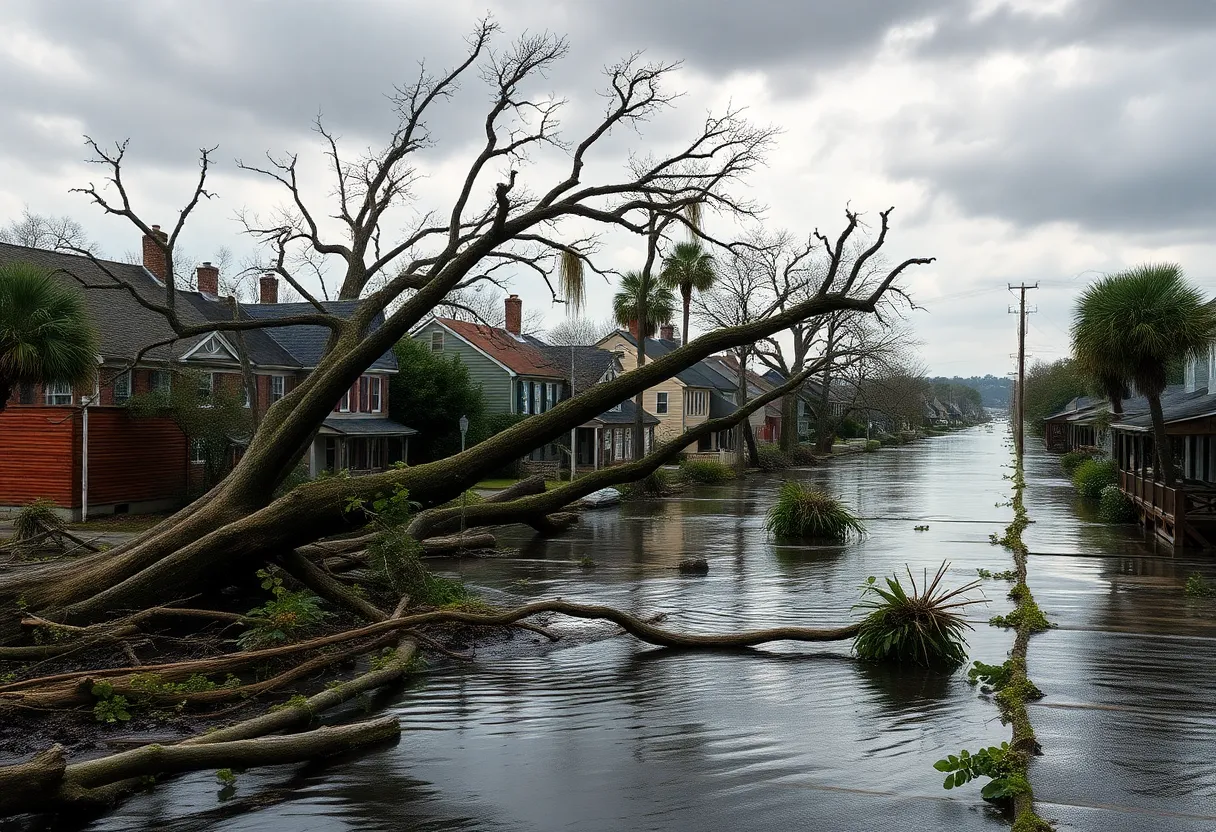
Hilton Head Island, South Carolina – The tragic Sea Island Hurricane struck Beaufort County on August 27, 1893, leading to the drowning of over 2,000 people and leaving more than 70,000 individuals without homes and basic needs. With winds reaching speeds of 120 miles per hour, the storm caused catastrophic destruction, uprooting trees and destroying vital infrastructure across the region.
The impact of the hurricane extended far beyond immediate fatalities. Twelve-foot storm surges flooded entire islands, devastating homes, crops, and livestock. In the aftermath, bodies were found piled on beaches and marshes, a haunting reminder of the storm’s ferocity. The weeks following the hurricane were grim, as survivors faced chronic diseases such as malaria and typhoid, compounded by starvation, dehydration, and exposure. This disaster particularly affected the Gullah Geechee communities, made up of formerly enslaved people striving to establish new lives in the wake of emancipation.
Weather forecasting in 1893 lacked the modern advancements we have today. Despite the establishment of the National Weather Service in 1870, South Carolina did not have a dedicated weather forecast official until three years prior to the hurricane, in 1890. Residents depended on ships to report storm conditions to nearby ports, yet no formal warnings were issued to coastal communities. This gap in communication left many rural residents unprepared for the storm, as crucial information about its path and intensity was unavailable. Local publications provided no guidance on how to ready themselves for such a disaster.
In the immediate aftermath of the storm, aid was painfully slow to arrive. For a month, islanders received no assistance despite their desperate situation. Recognizing the urgent need for disaster relief, Clara Barton, the founder of the American Red Cross, mobilized efforts to provide aid, driven by private donations to assist those affected by the hurricane.
The 1893 hurricane serves as a sobering reminder of the potential for destruction that hurricanes bring. In modern terms, a hurricane of similar intensity and path today could result in over $32 billion in insured property damages, according to estimates from 2001. Since the publication of relevant studies in 2001, development in Hilton Head and surrounding areas has surged, further increasing potential disaster costs for the community.
While it is relatively rare for hurricanes to make direct landfall on Hilton Head, the island has experienced impacts from significant storms. Of the last three hurricanes to approach the area, only Hurricane Matthew reached Hilton Head as a Category 2 hurricane. Current residents rely heavily on the National Weather Service for storm predictions which inform evacuation and safety measures.
In February 2025, substantial budget cuts were enacted by the National Oceanic and Atmospheric Administration (NOAA), resulting in a reduction of personnel within weather forecasting divisions. Concerns have arisen regarding how these cuts will affect emergency preparedness during future disasters. Furthermore, the Federal Emergency Management Agency (FEMA) has also experienced funding reductions, posing a potential risk to available resources in critical situations.
In South Carolina, mandatory evacuation orders are issued by the governor in coordination with emergency management authorities, with evacuation often organized by designated zones. Beaufort County is classified as Zone A, making it among the first areas to evacuate when warnings are issued. Residents are encouraged to keep informed through various channels, including the Emergency Alert System, wireless emergency alerts, and social media updates. Authorities consistently remind the population to avoid returning home until local officials confirm it is safe to do so after a storm has passed.
Deeper Dive: News & Info About This Topic
HERE Resources
Beaufort County Faces Increased Flooding Risks Amid Funding Cuts
Veterans Honored in Beaufort for Their Service
Port Royal Celebrates Third Anniversary of Sea Sea’s Honey Hole
Beaufort Zoning Board Approves Apartment Complex
Beaufort County Braces for Heavy Rain and Flash Flooding
Significant Flooding Crisis in Beaufort Area Due to Tropical Storm Debby
Flash Flood Warning Issued for Beaufort County
Beaufort County Faces Flooding Threat from Heavy Rainfall
Severe Thunderstorms and Crane Incident Disrupt Traffic
Beaufort County Braces for Heavy Rain and Flash Flooding
Additional Resources
- Island Packet: Local News
- Wikipedia: Hurricane
- Island Packet: South Carolina News
- Google Search: South Carolina Hurricane History
- WLTX: Tropical Storm Chantal Update
- Encyclopedia Britannica: Tropical Cyclone
- Island Packet: Weather News
- Google News: Weather Forecast South Carolina