

News Summary
The Beaufort County Sheriff’s Office has joined the 287(g) program, enabling local law enforcement to enforce federal immigration laws. This decision, led by Sheriff P.J. Tanner, has stirred debate within the community, prompting concerns about its potential impact on public safety and immigrant trust in law enforcement. Opponents fear it may incite fear among immigrant populations, particularly within the Latino community, while supporters argue it enhances community safety. The sheriff’s office will deploy two deputies trained to manage immigration status inquiries, amidst a backdrop of divided public sentiment.
Beaufort County, South Carolina – On July 31, 2025, the Beaufort County Sheriff’s Office officially became the 20th sheriff’s office in South Carolina to enter into a cooperative agreement with the U.S. government under the 287(g) program. This program allows local law enforcement to enforce federal immigration laws, a move that has sparked significant debate within the community.
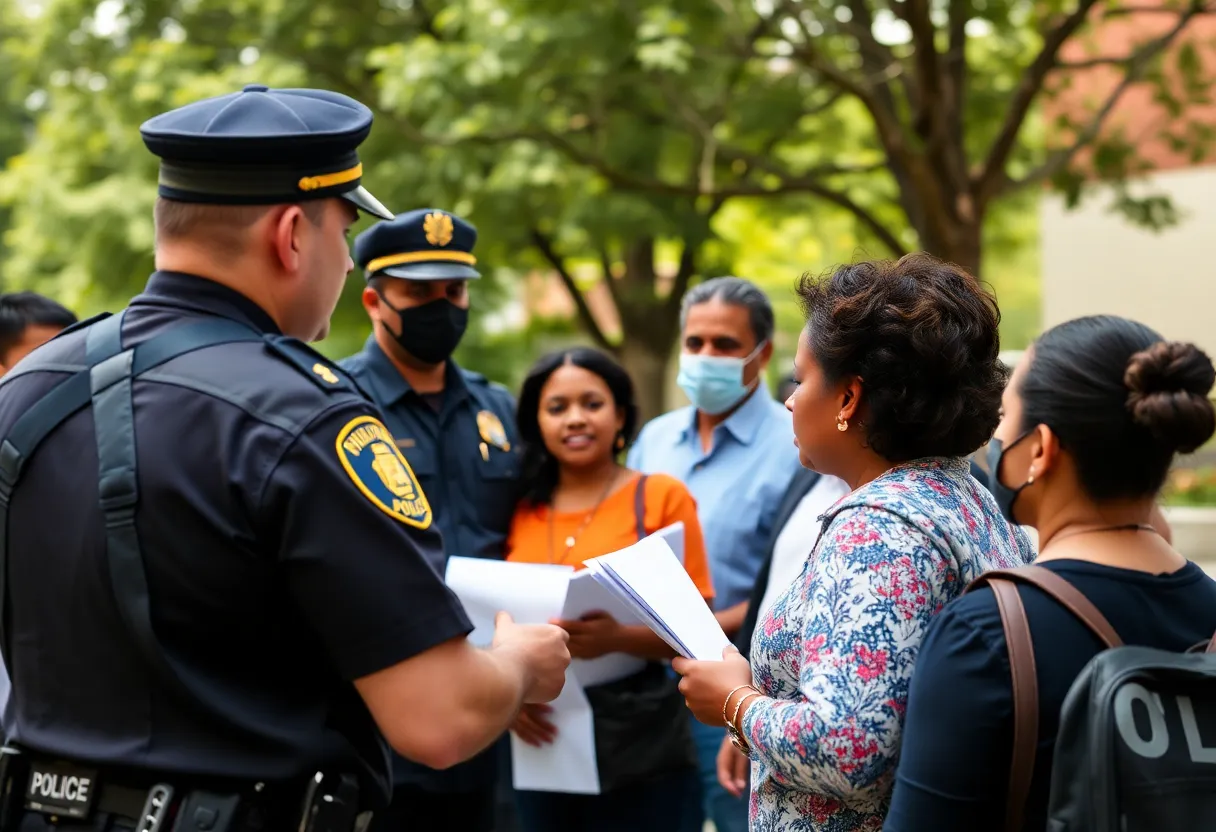
Despite vocal opposition from various community members, Sheriff P.J. Tanner is spearheading the initiative, emphasizing its potential benefits for public safety. Critics, however, express concerns that the program may engender fear among immigrant populations, particularly among the Latino community, deterring them from reporting crimes or seeking assistance from local authorities due to fears of deportation.
Under the new arrangement, the sheriff’s office plans to deploy two deputies who will be trained to interrogate individuals regarding their immigration status and can arrest individuals considered undocumented. Initially slated to assign just one deputy to oversee these tasks, Sheriff Tanner later recognized the necessity for a second deputy for safety during enforcement operations.
This decision came after significant community feedback during public forums, where residents raised alarms about the consequences of such a program. The 287(g) program operates under a task force model that facilitates collaboration between local law enforcement agencies and federal immigration authorities, allowing local officers to interrogate those in custody about their immigration status and to execute warrants for suspected immigration violations.
Training for deputies is set to begin shortly, with expectations for operational deployment within two months. This training will encompass essential topics like immigration authority, relevant law, civil rights considerations, and use-of-force policies. The financial aspect of the program has been outlined as minimally impactful on the county’s budget, as training costs will be covered by the federal government while Beaufort County will handle salaries and local operation expenses.
Opposition to the 287(g) program gained traction from civil rights organizations including the ACLU, which articulated that the agreement undermines trust between law enforcement and the community. Concerns were raised about the potential for racial profiling and the negative implications such partnerships might have on civil liberties. Furthermore, it is vital to note that Beaufort County previously participated in a similar collaborative enforcement initiative from 2008 to 2012, which was ultimately ceased due to rising concerns regarding civil rights infringements and allegations of racial profiling.
Public sentiment in Beaufort County appears to be sharply divided. While some residents endorse the 287(g) program as a necessary measure for enhancing local safety and security, others harbor fears concerning its potential to escalate racial discrimination and exacerbate anxiety in local communities. Sheriff Tanner maintains that implementing this program is a significant step towards fortifying public safety, positing that it empowers local law enforcement by integrating immigration matters into their scope of responsibilities.
As the trend toward local law enforcement involvement in federal immigration issues continues, nearly half of South Carolina’s counties have now aligned with the 287(g) program. This increase in participation reflects a broader national trend of local agencies becoming more integrated into federal immigration enforcement efforts, spurred on by the current administrative policies.
The unfolding developments surrounding the Beaufort County Sheriff’s Office and the 287(g) program warrant close monitoring, as the implications of this initiative evolve and its impact on the community is evaluated. The debate surrounding immigration enforcement and local law enforcement partnerships will likely persist as community members navigate the complexities of safety, trust, and civil rights.
Deeper Dive: News & Info About This Topic
HERE Resources
Senator Graham Supports Beaufort County’s Immigration Enforcement Partnership
Beaufort County Sheriff Implements Controversial Immigration Program
Beaufort County Sheriff Signs Controversial Immigration Agreement
Beaufort County Divided Over Sheriff’s Immigration Proposal
Safety Concerns Rise in Beaufort County After Fatal Incidents
Community Voices Concerns Over 287(g) Immigration Program
Community Voices Concerns Over Proposed Immigration Program
Community Divided Over Sheriff Tanner’s 287(g) Program Reinstatement
Beaufort Sheriff Moves to Reinstate ICE Agreement Amid Community Concerns
Concerns Over Immigration Policy in Hilton Head Island
Additional Resources
- Island Packet: Beaufort County Immigration Enforcement
- Wikipedia: 287(g) Program
- WJCL: Sen. Graham Defends Beaufort Co. Sheriff’s Office
- Google Search: Beaufort County ICE 287(g)
- WSAV: Beaufort County Residents Split on Immigration Enforcement
- Google Scholar: Beaufort County Sheriff ICE 287(g)
- Post and Courier: Beaufort County ICE 287(g) Immigration
- Encyclopedia Britannica: Immigration Enforcement
- The State: Opinion on Immigration Enforcement
- Google News: Beaufort County 287(g)