
Beaufort, SC, August 27, 2025
News Summary
The Sea Island Hurricane of 1893 was one of the deadliest hurricanes in U.S. history, particularly devastating Beaufort and surrounding areas in South Carolina. With over 2,000 confirmed deaths and significant economic disruption, the aftermath saw 30,000 individuals displaced, struggling for survival as recovery efforts lagged. The hurricane’s legacy altered community dynamics and agriculture in the region, marking a significant chapter in the history of the Lowcountry.
Beaufort, South Carolina
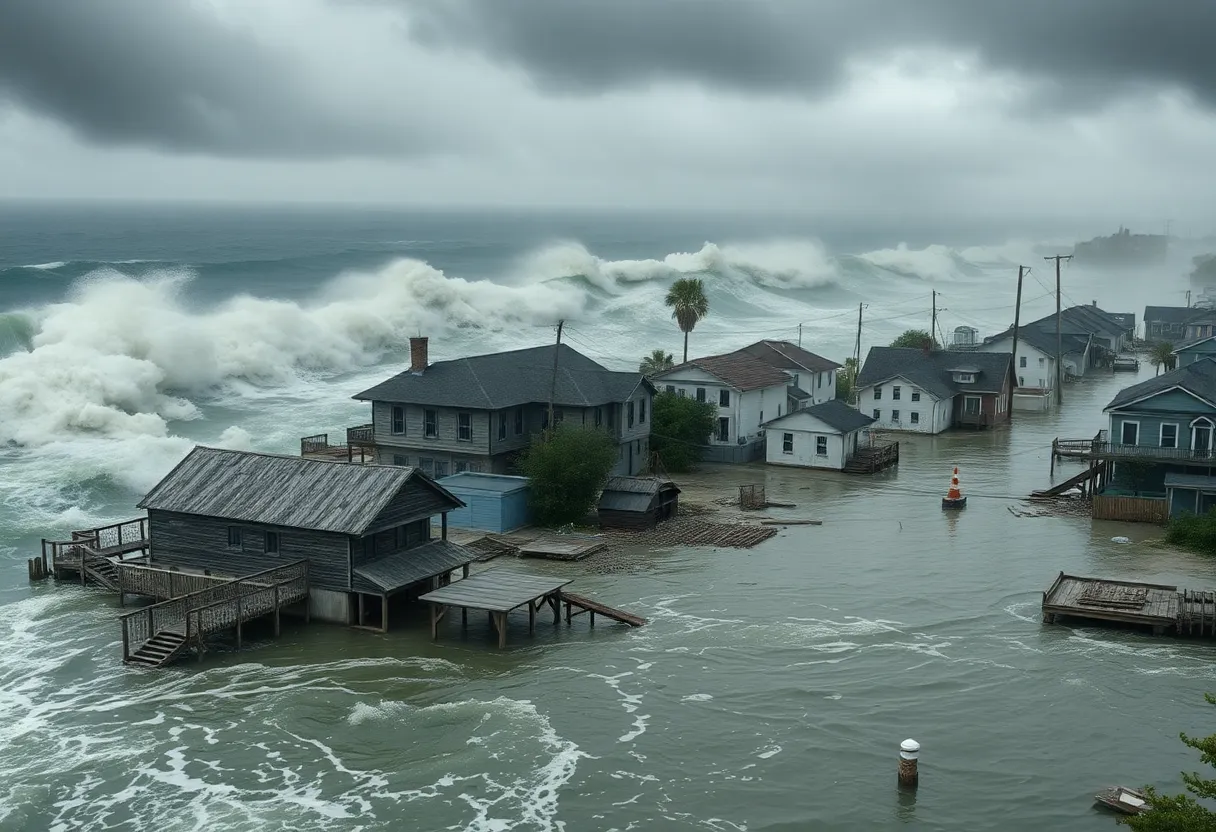
The Sea Island Hurricane, which made landfall on August 27, 1893, near Savannah, Georgia, is considered one of the deadliest hurricanes in U.S. history, resulting in more than 2,000 confirmed fatalities, with some expert estimates indicating that the actual toll may exceed 5,000 due to underreporting. This slow-moving, Category 3 hurricane produced winds reaching up to 120 mph and generated a storm surge as high as 16 feet, leading to catastrophic flooding and widespread destruction across the coastal regions of the Carolinas.
The hurricane had a profound impact on numerous communities, particularly on South Carolina’s Sea Islands, including locations like Beaufort, Lady’s Island, and St. Helena Island. Approximately 30,000 individuals were left homeless as the storm severely damaged or destroyed tens of thousands of homes and structures. The aftermath inflicted significant struggles for survivors, who suffered from exposure, disease, starvation, and dehydration due to the limited availability of food and medical supplies.
The storm had serious economic repercussions, devastating the vital agricultural sector in the region, notably destroying rice fields and the phosphate industry that had spurred local growth. Recovery efforts were slow to materialize, with it taking nearly a year for substantial relief to reach affected residents. Initial responses lacked organization, and many survivors relied solely on their limited resources for survival. The American Red Cross, led by Clara Barton, played a critical role in the eventual response, with their first significant disaster relief operation initiated weeks after the disaster.
The hurricane not only affected the physical landscape of the affected areas but also altered racial dynamics in the region. As African American communities sought assistance in the wake of the tragedy, tensions sometimes flared amidst the demands for aid and recovery. This complex social aspect of the aftermath is part of the larger narrative of the disaster’s impact.
Moreover, less than two months after the Sea Island Hurricane, a second Category 3 hurricane struck Charleston on October 13, further compounding the disaster’s effects on the region. Historical accounts from the time catalog the widespread fatalities, with bodies discovered in unusual and heartbreaking locations due to the torrential flooding.
Long-term recovery involved draining the floodwaters, re-establishing agricultural practices, and rebuilding homes, a process that often extended well into the following year. The region struggled for decades as the hurricane contributed to the decline of numerous agricultural industries in the Lowcountry. Acknowledge the lives lost and affected by this monumental disaster, a historical marker was placed in 2008 at the Penn Center National Historic Landmark District in St. Helena Island, S.C.
Key Issues and Facts
- Hurricane Landfall: August 27, 1893, near Savannah, Georgia.
- Intensity: Category 3, winds up to 120 mph.
- Death Toll: Over 2,000 confirmed; estimated toll may exceed 5,000.
- Homelessness: Approximately 30,000 people left homeless.
- Economic Damage: Significant disruptions to rice fields and phosphate industries.
- Relief Efforts: Led by the Red Cross, initiated six weeks post-storm.
Conclusion
The Sea Island Hurricane of 1893 demonstrated nature’s devastating power and the profound impact such events have on human life and community structure. Its legacy of loss and recovery resonates in the history and culture of the Carolinas, serving as a solemn reminder of resilience in the face of catastrophe.
FAQs
What was the Sea Island Hurricane?
The Sea Island Hurricane was a slow-moving, Category 3 hurricane that made landfall on August 27, 1893, near Savannah, Georgia, causing significant destruction and loss of life, particularly in South Carolina.
How many people died due to the hurricane?
The confirmed death toll is over 2,000, but estimates suggest that the actual number could exceed 5,000 due to underreporting of fatalities.
What was the economic impact of the hurricane?
The hurricane caused significant economic disruption, destroying vital agricultural sectors such as rice farming and phosphate production that were essential to the region’s economy.
What efforts were made for disaster relief?
The Red Cross, led by Clara Barton, established one of its first major disaster relief operations weeks after the storm, providing essential aid to survivors.
How did the hurricane affect the population demographics?
The hurricane affected racial dynamics in the region, leading to tensions as African American communities sought aid and recovery in the aftermath of the disaster.
Key Features of the Sea Island Hurricane
| Feature | Details |
|---|---|
| Date | August 27, 1893 |
| Wind Speed | 120 mph |
| Storm Surge | 16 feet |
| Confirmed Deaths | Over 2,000 |
| Estimated Deaths | Potentially over 5,000 |
| Displaced Individuals | 30,000 people |
| Recovery Time | Up to 10 months |
Deeper Dive: News & Info About This Topic
HERE Resources
Beaufort County Under Flood Advisory Amid Heavy Rainfall
Beaufort County Issues Flood Advisory Amid Heavy Rainfall
Charleston Faces Urgent Flash Flood Warning Amid Heavy Rain
High Surf Advisory and Rip Current Risks in Charleston, SC
Beaufort, South Carolina’s Historical Events and Recent Tragedies
Beaufort Community Showcased in Live Broadcast Event
Beaufort County Approves Revised U.S. 278 Corridor Project
Flash Flood Warning Issued for Beaufort, SC
Beaufort, SC Faces Flash Flood Warning Following Severe Rainfall
Flash Flood Warning Issued for Beaufort and Jasper Counties
Additional Resources
- Live 5 News – This Day in History: Sea Island Hurricane
- Wikipedia: Sea Island Hurricane
- Post and Courier – Hurricane Disaster in South Carolina
- Google Search: Sea Island Hurricane
- Eat Stay Play Beaufort – The Sea Island Hurricane of 1893
- Encyclopedia Britannica: Sea Island Hurricane