
St. Helena Island, South Carolina, August 31, 2025
News Summary
St. Helena Island, South Carolina, is witnessing a thriving preservation of Gullah culture, driven by community initiatives and performances, particularly by 78-year-old Minnie ‘Gracie’ Gadson. These efforts include preserving traditional Gullah spirituals and educating the younger generation about their heritage. With the aging population of Gullah singers, projects like ‘Gullah Geechee Futures’ are crucial in ensuring the continuity of this unique cultural legacy, which is deeply intertwined with African American history.
St. Helena Island, South Carolina – Preservation of Gullah Culture Thrives Through Song and Community Engagement
The rich legacy of Gullah culture is being preserved and celebrated through song and community initiatives in St. Helena Island, South Carolina, where 78-year-old singer Minnie “Gracie” Gadson performs Gullah spirituals. This vibrant cultural expression, rooted in the heritage of enslaved ancestors, is maintained by a growing group of dedicated artists and scholars.
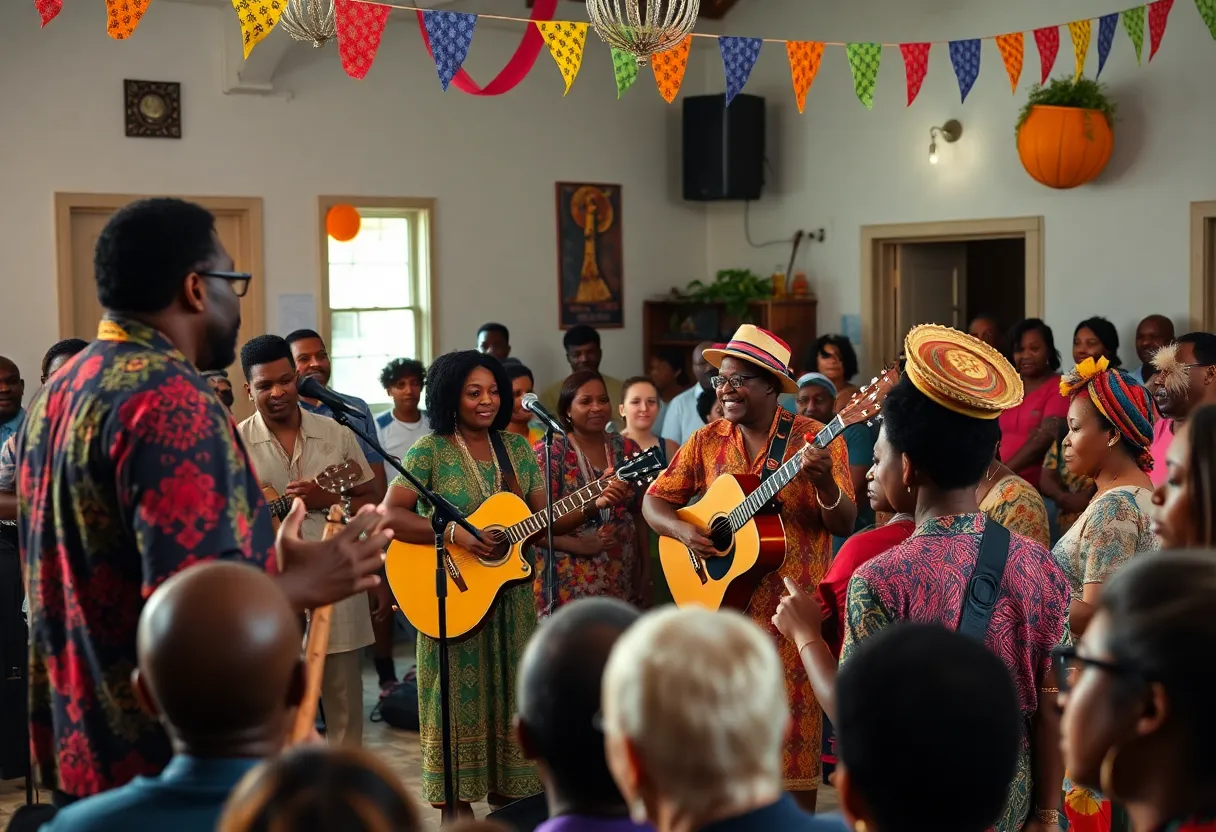
On a recent summer day, Gadson took the stage at the Coffin Point Praise House, one of only three remaining wooden worship structures on St. Helena Island that once served enslaved and free Black Americans. Such performances are pivotal in sustaining Gullah culture, which encompasses distinct art forms, language, and culinary traditions derived from the West African descendants who settled in the Carolinas, Florida, and Georgia. The group Voices of Gullah, which includes many singers in their 70s and 80s, travels across the United States to share traditional Gullah Creole songs infused with West African roots.
Gullah culture plays a significant role in the wider African diaspora narrative. Community members focus on educating others about its crucial contributions to American history, such as through performances highlighting Gullah involvement in the American Revolution. This is essential as over 5,000 descendants of enslaved plantation workers currently reside on St. Helena Island, fostering deep cultural ties and traditions.
Prominent among the advocates for Gullah culture is Eric Crawford, author of “Gullah Spirituals: The Sound of Freedom and Protest in the South Carolina Sea Islands.” Crawford underscores the importance of preserving this cultural heritage for contemporary African Americans to better understand their roots. Historical Gullah songs, such as “Nobody Knows the Trouble I’ve Seen” and “Kumbaya,” have been significant throughout history since they date back to the 19th century.
Performances occur at multiple venues, including the Brick Baptist Church and May River Theatre, where visitors not only enjoy Gullah rice dishes but also context-rich narratives surrounding the culture. Gadson and others are deeply committed to leaving a legacy, hoping to inspire younger generations to carry on these cultural traditions.
The Gullah Heritage Trails Tours offer education to visitors about the significance of the Gullah people living in Hilton Head Island. The tours underline the importance of local history and the roots that define the community’s identity. Marlena Smalls, another notable advocate for Gullah culture, continues to raise awareness through various performances and festivals, stressing the importance of cultural identity.
Despite these vibrant efforts, the aging population of Gullah singers poses concerns regarding who will continue the preservation of the culture as these elders pass on. Initiatives aimed at involving young people are critical. For instance, Tendaji Bailey from “Gullah Geechee Futures” takes students from Morehouse College to exposure sites like praise houses, creating historical experiences that connect them with their heritage.
In summary, community engagement and education about Gullah culture are essential for ensuring its lasting legacy. In a rapidly changing societal landscape, these efforts underscore the importance of maintaining a rich tradition that opens windows to understanding a prominent aspect of American history.
FAQ
- What is Gullah culture?
- Gullah culture encompasses the unique language, art forms, and food traditions of the descendants of enslaved Africans in the coastal regions of the Carolinas, Florida, and Georgia.
- Why is preserving Gullah culture important?
- Preserving Gullah culture helps future generations understand their heritage and the contributions of their ancestors to American history.
- Who are the Voices of Gullah?
- The Voices of Gullah is a group of elder singers dedicated to preserving Gullah musical traditions through performances across the United States.
- What challenges does Gullah culture face today?
- The primary challenge is the aging population of Gullah singers, raising concerns about the continuity and preservation of the culture among younger generations.
- How is the community engaging with younger generations?
- Programs like “Gullah Geechee Futures” are designed to involve students and young people in cultural experiences, creating connections to their heritage.
Key Features of Gullah Culture Preservation
| Feature | Details |
|---|---|
| Performances | Gadson performs Gullah spirituals at historical venues such as Coffin Point Praise House. |
| Community Engagement | Programs and tours educate visitors and involve younger generations. |
| Cultural Significance | Gullah culture contributes to understanding African American heritage and history. |
| Challenges | The aging population of Gullah singers raises concerns for cultural continuity. |
| Key Figures | Minnie “Gracie” Gadson, Eric Crawford, Marlena Smalls, and Tendaji Bailey are leading efforts in preservation. |
Deeper Dive: News & Info About This Topic
HERE Resources
Controversial Development Proposals in Beaufort County
Exploring South Carolina’s Charming Town Squares
Discover the Charm of Beaufort, South Carolina
Beaufort County Welcomes Fourth of July Celebrations
Preservation of Gullah Heritage on St. Helena Island
St. Helena Island Revives Gullah Heritage Through Music and Agriculture
South Carolina’s River Towns Showcase Natural Beauty and History
Beaufort County Black Chamber of Commerce Awards GRACE Grants
Beaufort Zoning Board Approves Apartment Complex
Discover South Carolina’s Charming Small Towns
Additional Resources
- The Guardian: Gullah Culture Gathering
- Wikipedia: Gullah
- Southern Living: Gullah Culture in South Carolina
- Google Search: Gullah Culture Heritage
- History Channel: Gullah
- Encyclopedia Britannica: Gullah
- NPR: The Legacy of Gullah
- Google News: Gullah Culture


Author: STAFF HERE BEAUFORT
The HERE Beaufort Staff Writers are a collaborative team of journalists, editors, and local contributors passionate about delivering accurate, timely information to the Beaufort community. As part of the HEREcity.com Network, which powers over 100 U.S. city sites including HEREcolumbia.com, our staff draws on collective experience in South Carolina journalism to cover everything from business sales and real estate developments to dining deals and community initiatives. Our Expertise and Background: Local Roots in Beaufort : Our team includes lifelong Beaufort residents and SC natives with deep knowledge of the area’s history, economy, and culture. We’ve covered key events like the recent sale of the historic Crofts Block Building, Beaufort’s equestrian heritage, and growth in local tech and education sectors (e.g., BeaufortTechnical College programs). Collective Experience: With over 50 combined years in journalism, our staff has backgrounds in print, digital media, and community reporting. We prioritize fact-based stories, drawing from sources like the Beaufort Chamber of Commerce, city government records, and on-the-ground interviews. Commitment to Quality: Every article is a group effort, involving research, editing, and verification to ensure reliability. We adhere to journalistic standards, citing credible sources and updating content as new details emerge.