
Lowcountry, September 3, 2025
News Summary
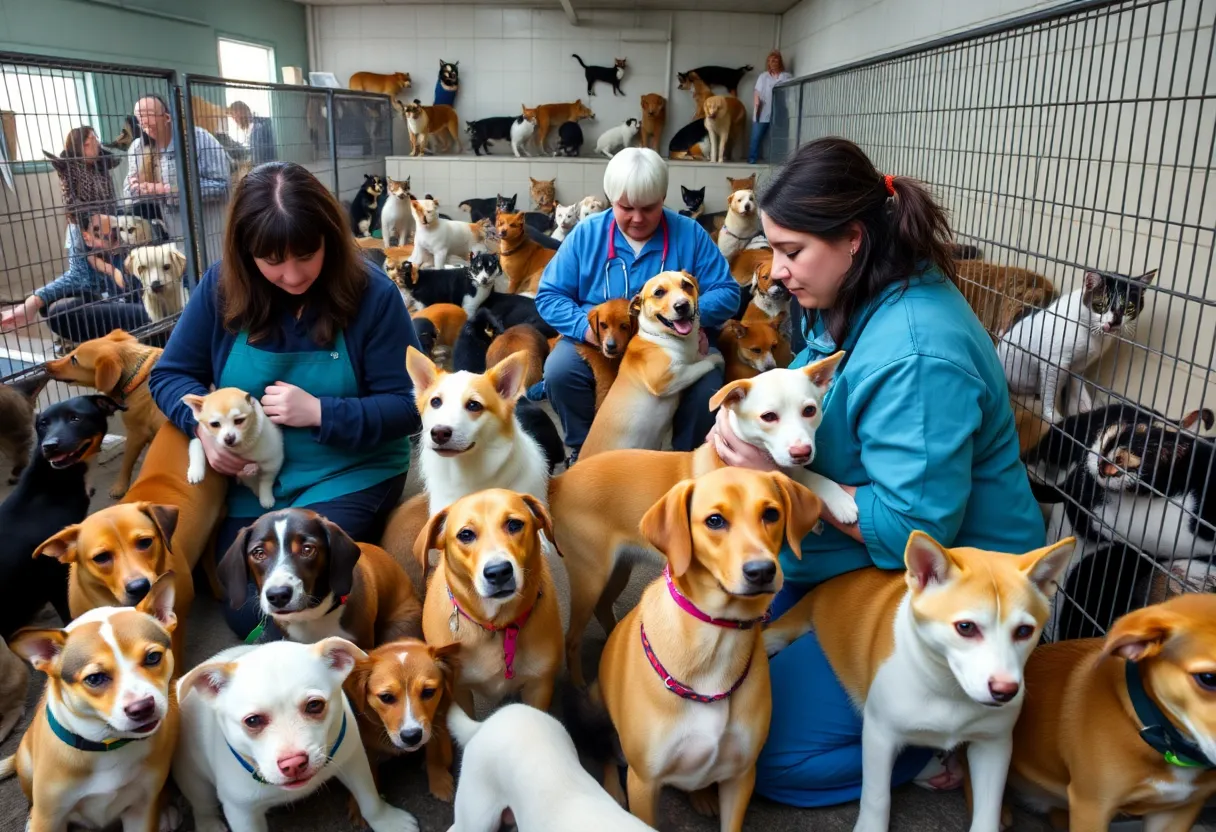
Lowcountry animal shelters are experiencing a severe overcrowding crisis, driven by high rates of animal and litter surrenders. With facilities like Beaufort County Animal Services reaching full capacity, calls for community support for fostering and adoptions have become urgent. Factors contributing to this situation include a lack of spaying and neutering, as well as the rising cost of living leading many owners to relinquish their pets. Local shelters are implementing immediate measures to address the crisis, including free adoptions and appeals for foster care.
Lowcountry Animal Shelters Face Overcrowding Crisis Amid High Surrender Rates
Lowcountry animal shelters are currently facing an unprecedented overcrowding crisis, as significant increases in animal and litter surrenders threaten the ability to care for impacted pets. Many shelters are at full capacity, leading to urgent calls for community support in fostering and adopting animals.
Overcrowding in Local Shelters
Beaufort County Animal Services is one of the most affected facilities, currently housing nearly 110 dogs, including several litters of puppies. With the rate of incoming animals outpacing the number of adoptions, the shelter is struggling to manage its capacity. There are growing concerns regarding the potential necessity to euthanize animals due to insufficient space.
At Berkeley County Animal Center, the situation is equally alarming, with an intake of 60 kittens reported over just two days. This was quickly followed by an additional 40 cats and kittens before lunchtime on the subsequent Tuesday, highlighting a trend of overwhelming intake. Charleston Animal Society also reported a 40% surge in animal intakes during the last week of April, managing to accommodate 250 animals in that short timespan.
Causes of Increased Surrenders
The overarching reason for this crisis appears to stem largely from pet owners failing to spay and neuter their pets. This has contributed to a significant rise in the number of litters born, which subsequently ends up in shelters. Furthermore, rising living costs are leading many pet owners to relinquish their animals, as pet care becomes increasingly unaffordable.
Currently, Beaufort County Animal Services has established a four-month waitlist for owner surrender, indicating the overwhelming demand for space in shelters. The Columbia Animal Society noted a particularly challenging week where they received 80 neonatal kittens, which require extensive care and are at a higher risk for abandonment.
Community Response and Support
Both Charleston Animal Society and Berkeley County Animal Center have issued appeals for community support to foster animals until they are ready for adoption. They are also recommending that residents leave kittens in their natural habitats with their mothers for longer periods unless they are in immediate danger. This practice aims to reduce the number of kittens brought into shelters unnecessarily.
To combat overcrowding, many shelters are offering free adoptions for all animals. Participating facilities include the Charleston Animal Society, Berkeley Animal Center, and Dorchester Paws, all striving to find homes for pets in need more rapidly.
Challenges Faced by Shelters
Lowcountry animal shelters are grappling with significant challenges, including limited space, personnel shortages, and resource constraints, further complicating their capacity to care for the influx of animals. Adult dogs, in particular, are often overlooked in favor of puppies, resulting in longer stays for these animals in shelters.
St. Francis Animal Center reported an adoptable dog population of 193, significantly exceeding their capacity of 80 dogs, due to their open intake policy. This means they are required to accept every animal brought to them, complicating efforts to manage overpopulation. While St. Francis aims to operate as a no-kill shelter, circumstances may necessitate euthanasia in cases of severe injuries or aggressive behaviors that prevent rehabilitation.
The shelter is also actively engaged in a spay and neuter program aimed at addressing the root causes of overpopulation within the community.
Conclusion
The crisis in Lowcountry’s animal shelters highlights the urgent need for public awareness and action concerning pet adoption and responsible pet ownership. As organizations work to mitigate the effects of this influx, community involvement in fostering, adopting, and spaying or neutering pets could be crucial in addressing the growing number of animal surrenders.
FAQ
- What is causing the overcrowding in Lowcountry animal shelters?
The overcrowding is largely due to a significant increase in animal and litter surrenders, many of which stem from pet owners not spaying and neutering their pets, alongside the rising cost of living. - What actions are local shelters taking to manage the crisis?
Local shelters are offering free adoptions for all animals, requesting community support for fostering, and emphasizing the importance of responsible pet ownership. - How can I help?
Community members can assist by fostering animals, adopting pets, and encouraging spaying and neutering to prevent future litters. - Are there specific animals that are being overlooked in shelters?
Yes, adult dogs are often overlooked in favor of puppies, which can lead to prolonged stays for these dogs in shelters.
Overview of the Crisis in Lowcountry Animal Shelters
| Aspect | Details |
|---|---|
| Current Situation | Overcrowding due to high animal and litter surrenders; shelters are at capacity. |
| Beaufort County Shelter | Housing nearly 110 dogs; concern over potential euthanasia. |
| Berkeley County Intake | 60 kittens in two days; 40 more cats/kittens shortly after. |
| Charleston Animal Society | 40% increase in animal intakes, receiving 250 animals in a week. |
| Community Actions | Free adoptions offered; emphasis on fostering and responsible ownership. |
| Long-term Solutions | Spay and neuter programs to prevent future overpopulation. |
Deeper Dive: News & Info About This Topic
HERE Resources
Beaufort County Animal Services Faces Urgent Shelter Crisis
Additional Resources
- Live 5 News: Lowcountry Animal Shelters Packed as Kitten Season Hits Its Stride
- MSN: Berkeley County Animal Shelter Calls for Emergency Moratorium
- WPDE: Lowcountry Shelters Unite for Free Pet Adoptions Amid Overcrowding Crisis
- ABC News 4: Lowcountry Animal Shelter Urges Community to Spay Neuter Amid Overcrowding Concerns
- Post and Courier: Charleston Animal Society Help Run Berkeley Animal Center
- Wikipedia: Pet Adoption
- Google Search: Animal Shelter Overcapacity
- Google Scholar: Animal Shelter Crisis
- Encyclopedia Britannica: Domestic Animal
- Google News: Animal Shelter Overcrowding