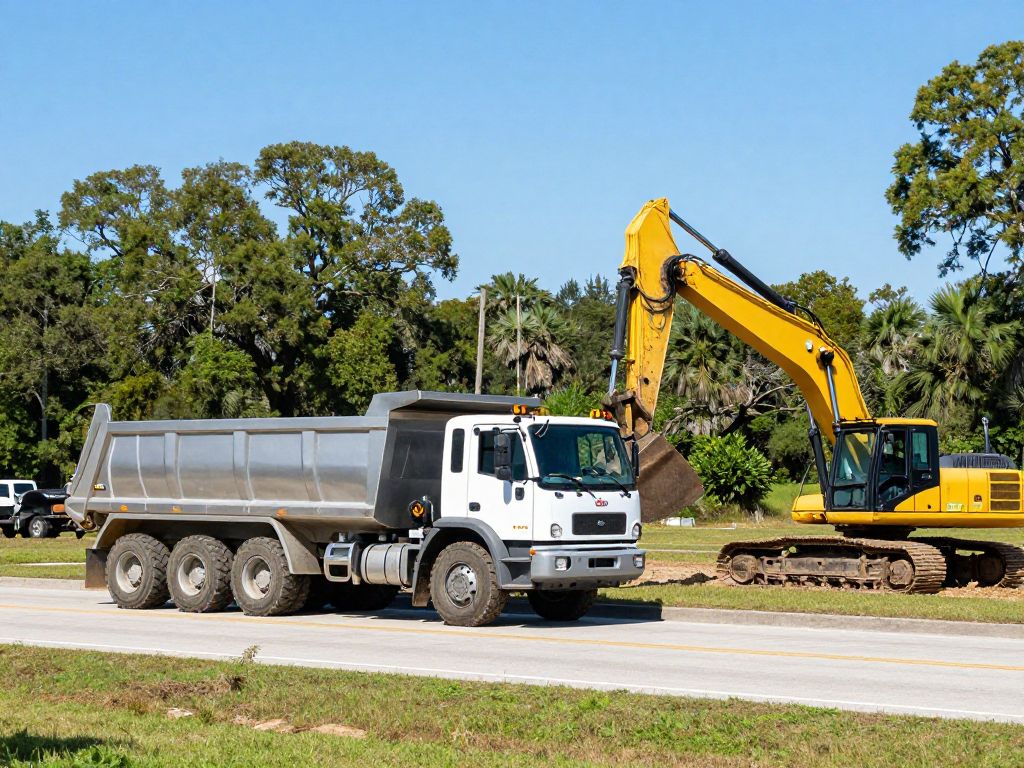

How Safety and Environmental Standards Shape Heavy Highway Projects
In 2025, heavy highway projects—encompassing roads, bridges, tunnels, and transit systems—are critical to modern infrastructure, but they face intense scrutiny to meet stringent safety and environmental standards. These standards, driven by regulations like OSHA guidelines and EPA mandates, ensure worker safety, public well-being, and ecological preservation. Balancing compliance with project efficiency is a challenge, as non-compliance can lead to costly delays or fines. This article explores how safety and environmental standards shape heavy highway projects, their impact on planning and execution, and a comparison of key compliance areas to guide project managers.
Safety Standards: Protecting Workers and the Public
Safety standards in heavy highway construction prioritize preventing accidents, which cost the industry over $15 billion annually in the U.S. OSHA regulations mandate protocols like fall protection, equipment safety, and traffic control zones. For example, guardrails and harnesses are required for bridge work above 6 feet, and temporary traffic barriers protect workers on active roadways. In 2025, wearable tech like smart helmets with fatigue monitoring and AI-driven site sensors reduce incidents by up to 20% by alerting managers to hazards in real time.
Training is also critical, with OSHA 10/30-hour courses ensuring workers understand risks like heavy machinery operation or trench collapses. Public safety measures, such as clear signage and detours, minimize disruptions for commuters. Compliance adds 5–10% to project costs but reduces accident-related downtime, which can delay projects by weeks.
Environmental Standards: Minimizing Ecological Impact
Environmental regulations, such as the Clean Water Act and NEPA, govern highway projects to reduce pollution, protect wildlife, and ensure sustainable land use. Erosion control measures like silt fences and stormwater management systems prevent runoff into local waterways. In 2025, projects increasingly use eco-friendly materials, such as recycled asphalt pavement (RAP), which cuts carbon emissions by 30% compared to traditional asphalt.
Wetland mitigation and wildlife corridors are mandatory for projects near sensitive ecosystems, with environmental impact assessments (EIAs) required before construction begins. Non-compliance can halt projects, as seen in recent cases where unpermitted wetland disruptions led to $500,000 fines. Green certifications, like LEED for infrastructure, also incentivize low-impact designs, boosting public approval but extending planning by 3–6 months.
Balancing Safety and Environmental Priorities
Heavy highway projects must integrate safety and environmental standards without sacrificing timelines or budgets. For instance, using prefabricated bridge components reduces on-site work, enhancing worker safety and minimizing environmental disturbance. However, upfront costs for sustainable materials or advanced safety tech can strain budgets. In 2025, digital tools like BIM (Building Information Modeling) optimize planning by simulating safety hazards and environmental impacts, cutting rework by 15%. Successful projects align compliance with efficiency, leveraging grants for green initiatives to offset costs.
Comparison of Safety and Environmental Standards
The table below compares safety and environmental standards in heavy highway projects, focusing on their focus areas, compliance methods, impacts, and challenges. This helps project managers prioritize resources effectively.
| Aspect | Safety Standards | Environmental Standards |
|---|---|---|
| Primary Focus | Worker and public safety | Ecosystem protection, pollution reduction |
| Key Regulations | OSHA, FHWA guidelines | EPA, Clean Water Act, NEPA |
| Compliance Methods | Fall protection, training, traffic control | Erosion control, EIAs, recycled materials |
| Project Impact | Adds 5–10% to costs, reduces accidents | Extends planning (3–6 months), cuts emissions |
| Technology Used | Smart wearables, AI sensors | BIM, sustainable materials |
| Challenges | Training costs, tech adoption | Permitting delays, higher material costs |
| Best For | High-risk sites (bridges, urban roads) | Eco-sensitive areas (wetlands, forests) |
Safety standards prioritize immediate risk reduction, while environmental standards focus on long-term sustainability. Both require upfront investment but mitigate costly penalties and enhance project reputation.
Final Thoughts
In 2025, safety and environmental standards are non-negotiable for heavy highway projects, shaping every phase from planning to completion. By integrating advanced technologies and sustainable practices, projects can meet compliance while maintaining efficiency. Early collaboration with regulators and investment in training or eco-friendly solutions ensures smoother execution and public support. As infrastructure demands grow, these standards pave the way for safer, greener highways.
FAQ
What safety standards apply to heavy highway projects?
OSHA and FHWA guidelines mandate fall protection, equipment safety, traffic control zones, and worker training to prevent accidents on construction sites.
How do environmental standards affect project timelines?
Environmental impact assessments and permitting can extend planning by 3–6 months, but streamlined processes like BIM reduce delays in execution.
Can safety and environmental compliance save money?
Yes, by reducing accidents (saving downtime costs) and securing grants for sustainable practices, compliance can offset initial investments.
What technologies help meet these standards?
AI sensors and smart wearables enhance safety, while BIM and recycled materials like RAP support environmental compliance and efficiency.
Why are environmental standards critical for highway projects?
They protect ecosystems, reduce pollution, and ensure compliance with laws like the Clean Water Act, avoiding fines and project halts.