

Columbia, South Carolina, September 8, 2025
News Summary
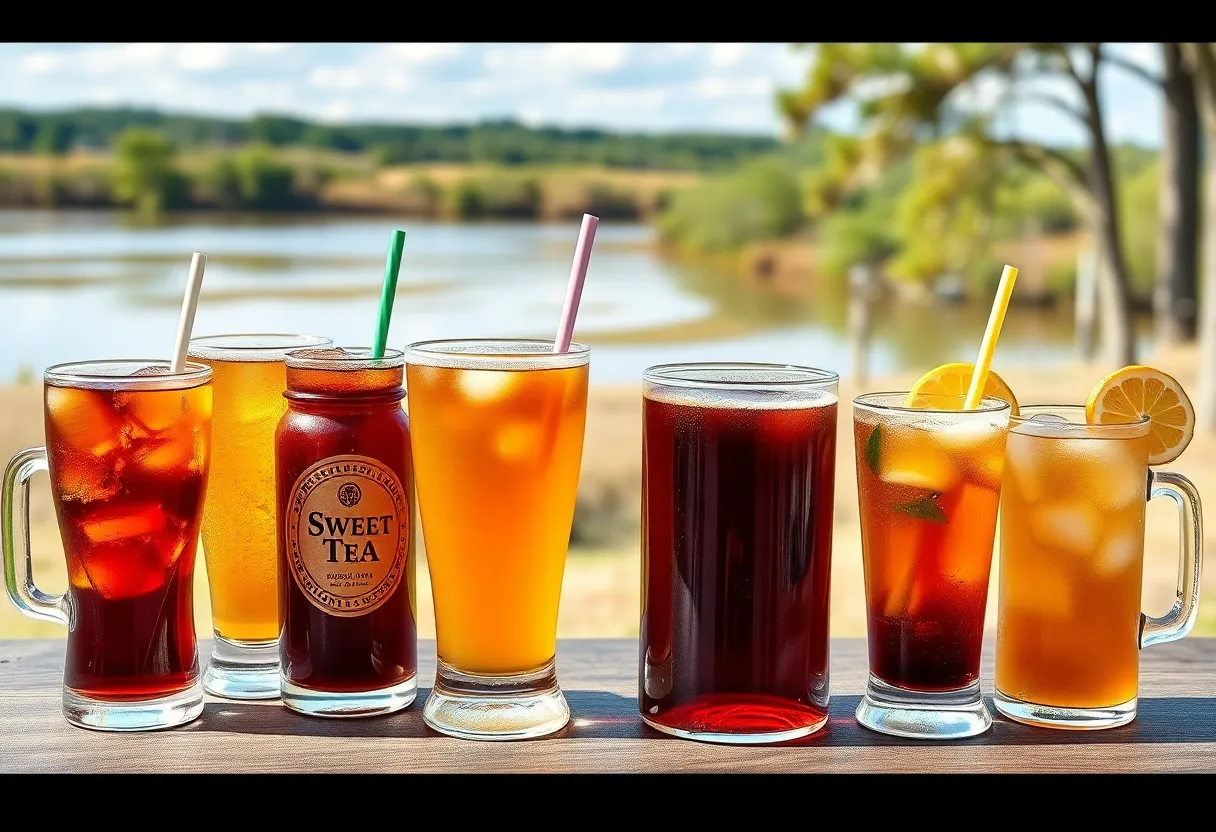
Governor Henry McMaster of South Carolina has issued new restrictions on food stamp purchases, which now exclude junk food and sugary beverages such as sweet tea. This initiative affects around 500,000 residents relying on SNAP benefits. Proponents argue it’s aimed at combating rising obesity rates in the state, while critics see it as stigmatizing for low-income families. The cultural significance of sweet tea as the state hospitality drink raises concerns about the implications of this regulation on personal choice and dietary freedom.
Columbia, South Carolina – Governor Henry McMaster has issued an executive order that places new restrictions on food stamp purchases, impacting residents who rely on these benefits. Notably, the order prohibits the purchase of anything defined as junk food, including sweet tea, sodas, energy drinks, and any beverages with more than 5 grams of added sugar. This change affects approximately half a million South Carolinians, or about 10% of the state’s population, who depend on the Supplemental Nutrition Assistance Program (SNAP) to help put food on the table.
The initiative aligns with broader health goals from the Trump administration, particularly its “Make America Healthy Again” campaign, which promotes reduced consumption of sugary beverages. In August alone, South Carolina residents received around $104 million in SNAP benefits, emphasizing the significance of these funds for many families struggling with food accessibility.
This new directive does not mark a first for the food stamp program, as similar prior regulations already existed—for example, the disallowance of hot prepared foods and the purchase of alcohol and cigarettes. However, Governor McMaster’s latest ban on sweet tea—a beverage deeply intertwined with South Carolina’s cultural identity—adds a unique dimension to the ongoing dialogue about food choices and government oversight. The beverage was designated as the official state hospitality drink 30 years ago, and its origins trace back to Summerville, recognized as the birthplace of sweet tea in the 1800s.
The conflict prompted by these restrictions is heightened by South Carolina’s rich tea culture, which began with the cultivation of the first tea plants in America in the 1790s. The rise of sweet tea’s popularity during the Prohibition era in the 1920s further solidified its place in Southern tradition, making it symbolic of hospitality and the region’s identity.
Critics of the executive order argue that imposing such food restrictions adds a stigma to those reliant on food assistance programs, suggesting that providing better access to affordable healthy foods would be a more effective strategy than imposing bans. Proponents cite the rising obesity rates in the state—projected to cost South Carolina $8.5 billion annually—as a justification for the new rules. Nonetheless, detractors express concern that these regulations infringe on personal choice and dietary freedom, with some regarding the measures as punitive rather than supportive of low-income families.
Importantly, while sweet tea and other sugary beverages cannot be purchased with food stamps, recipients can still buy them with personal funds. This aspect highlights a broader discussion on how government involvement in food choices has evolved over the decades, with changing views on nutrition and wellness initiatives. Despite initiatives aimed at promoting healthier eating, advocates for the food-stamp program maintain that better support systems should be established to assist low-income families in making healthier choices rather than imposing limitations on what they can purchase.
With Governor McMaster’s order set against a backdrop of shifting public policy, South Carolinians continue to navigate the implications of food stamp restrictions, the cultural significance of sweet tea, and their overall health amidst the state’s unique traditions.
FAQ
1. What is Governor McMaster’s food stamp restriction order about?
The order restricts the purchase of sweet tea, junk food, sodas, energy drinks, and any beverages with 5 or more grams of added sugar using food stamps.
2. How many South Carolinians rely on food stamps?
Approximately half a million residents, or about 10% of the state’s population, depend on SNAP benefits.
3. What is the cultural significance of sweet tea in South Carolina?
Sweet tea is considered the official state hospitality beverage of South Carolina and has deep-rooted cultural ties, symbolizing generosity and community spirit.
4. Can food stamp recipients still buy sweet tea?
Yes, although sweet tea cannot be purchased with food stamps, recipients can buy it using personal funds.
5. What are some arguments for and against McMaster’s order?
Proponents argue it’s necessary to combat obesity and promote healthier choices, while critics contend that it stigmatizes recipients and lacks support for improving food access.
Chart on Key Features of the Food Stamp Restrictions
| Feature | Details |
|---|---|
| Affected Item | Sweet tea, junk food, sodas, energy drinks, beverages with more than 5 grams of sugar |
| Population Affected | Approx. 500,000 SNAP recipients |
| Cultural Importance | Sweet tea designated as state hospitality beverage |
| Justification | Combat obesity, improve health outcomes |
| Alternatives | Recipients can buy prohibited items using personal funds |
Deeper Dive: News & Info About This Topic
HERE Resources
Additional Resources
- The State
- Wikipedia: Sweet Tea
- Herald Online
- Google Search: Governor Henry McMaster food stamp restrictions
- Food & Wine
- Encyclopedia Britannica: Southern Cuisine
- Southern Thing
- Google News: South Carolina SNAP benefits
- Explore Beaufort SC