
News Summary
Residents of Hilton Head Island, South Carolina, are expressing their worries about the federal government’s crackdown on immigration, which could lead to mass deportations. The impact on local communities and the economy, particularly in sectors reliant on immigrant labor, is a major concern. A recent Latino food festival highlighted the valuable contributions of immigrants, while local crime statistics suggest that fears around crime linked to immigration might be unfounded. The community debates the balance between legal enforcement and the stability of essential industries amidst rising anxiety regarding potential deportations.
Hilton Head Island, South Carolina – Residents in South Carolina are voicing their concerns over the federal government’s proposals for a crackdown on immigration, which could result in mass deportations of undocumented immigrants. This debate raises critical questions about how such measures would affect local communities and the economy, particularly in areas heavily reliant on immigrant labor.
The previous administration’s efforts to limit illegal immigration have been described as “egregiously inept,” leaving many to question the wisdom of reinstating similar policies. While there is broad agreement that individuals suspected of immigration violations should face legal scrutiny, widespread opposition is growing against the idea of deporting all undocumented immigrants.
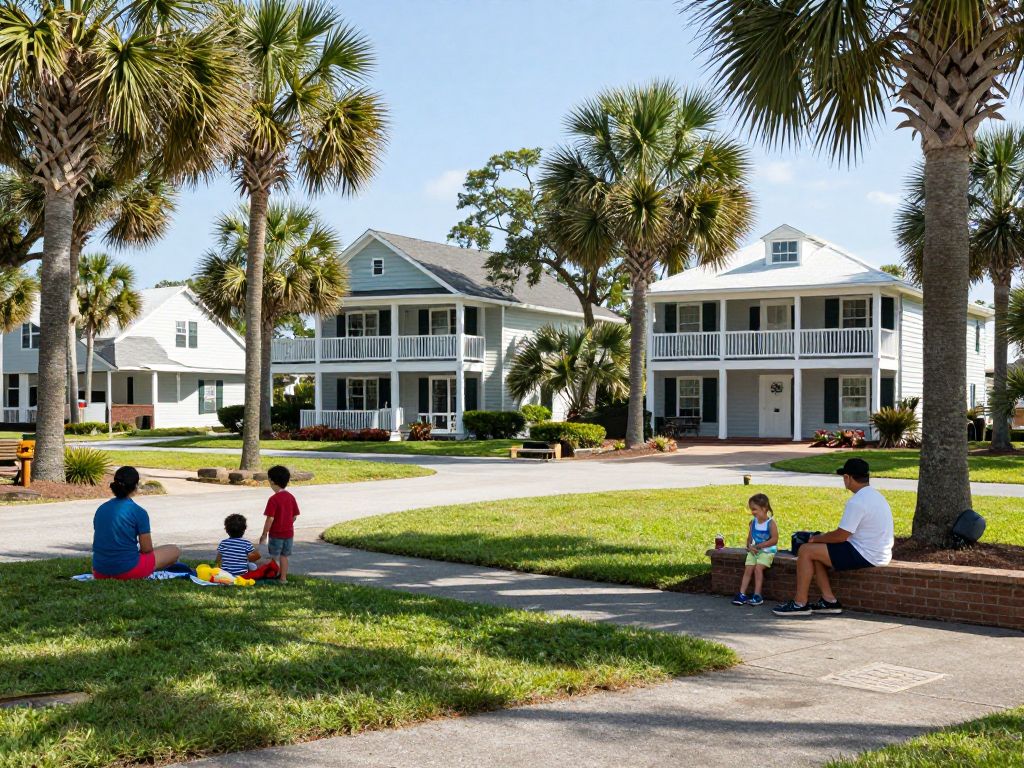
In recent years, areas like Hilton Head Island have seen a notable increase in their Hispanic populations. Local residents emphasize the peaceful contributions of immigrants to their communities and economy, pointing out that many immigrants have been critical in bolstering the hospitality industry.
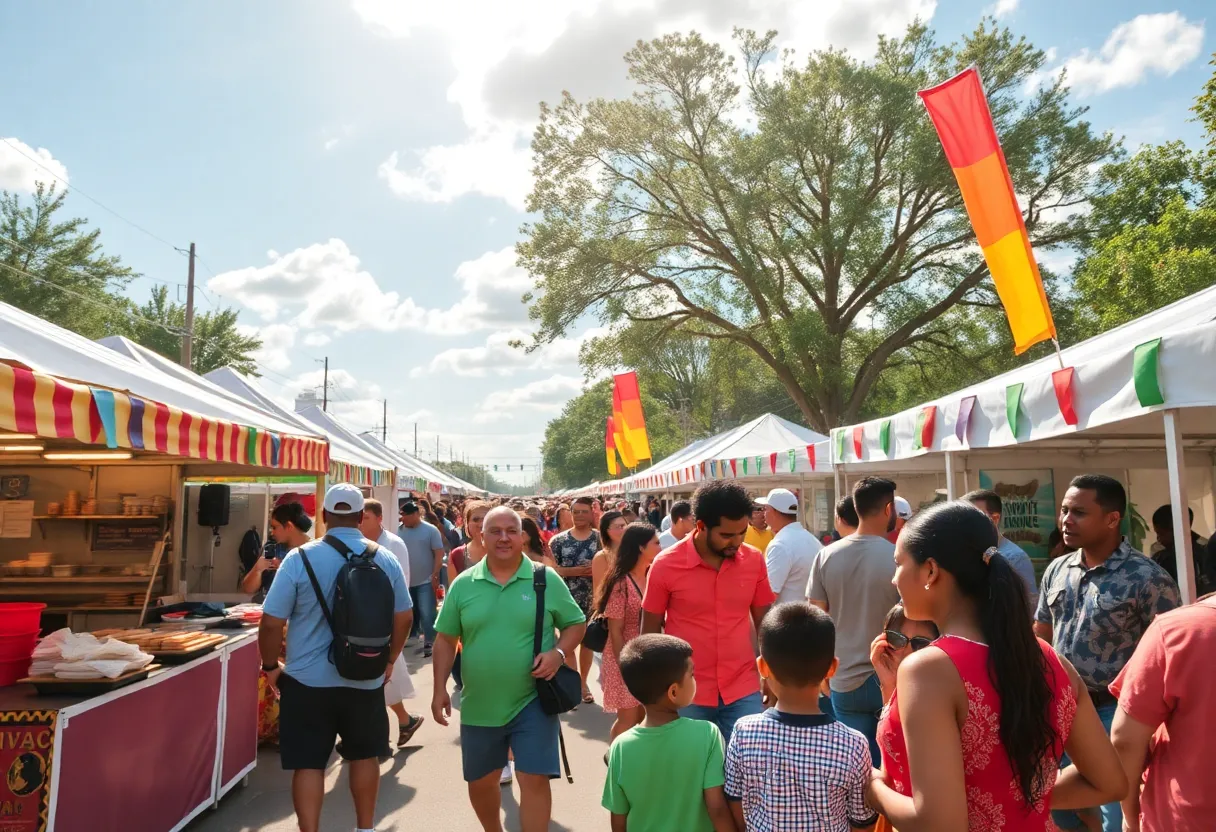
A significant demonstration of community support came from a recent Latino food festival in Hilton Head, which raised over $107,000 for the Volunteers in Medicine Clinic. The clinic exemplifies accessible healthcare for all residents, regardless of their ability to pay, underscoring the essential role immigrants play beyond just economic terms.
Despite prevailing concerns about crime associated with immigration, South Carolina’s crime statistics tell a different story. The 2023 Crime in South Carolina Annual Report reveals an overall decrease in crime rates, including an 8.3% drop in murders and a 5.8% decrease in violent crime when comparing data from 2022 to 2023. It is notable that the demographic profile of serious crimes shows that the majority are committed by white individuals, who make up approximately 63% of the state’s population, with Black individuals accounting for about 25%. Latinos represent roughly 8% of the population yet are less frequently associated with criminal activity.
Local law enforcement, including Sheriff P.J. Tanner, has been actively engaging community members regarding the controversial 287(g) program, which permits local police to assist in federal immigration enforcement. Many residents are worried about how reinstating this program could affect public safety and the community’s trust in law enforcement, particularly in immigrant communities that are currently facing increased anxiety regarding potential federal immigration raids.
Immigrants are estimated to make up about 6% of South Carolina’s population, with the assumption that nearly half could be undocumented. As discussions about deportation ramp up, businesses that rely heavily on seasonal or immigrant labor, particularly those in agriculture and hospitality, are beginning to brace for the potential impact on workforce availability.
The local conversation is increasingly polarized, igniting debates over the balance between enforcing immigration laws and maintaining stability in essential industries. As law enforcement considers a potential partnership with federal authorities for immigration enforcement, the ramifications for community relations and public safety remain a pressing concern.
Ultimately, the issue of immigration and deportation in South Carolina is not just a matter of national policy; it resonates deeply within local communities. The tension between the need for legal processes surrounding immigration and the economic dependency on immigrant labor continues to shape discussions across the state as residents call for a solution that prioritizes both fairness and community stability.
Deeper Dive: News & Info About This Topic
HERE Resources
South Carolina Community Opposes Federal Deportation Initiatives
Beaufort County Man Caught After High-Speed Police Chase
Beaufort County Elections Signal Shift Toward Conservatism
Three Arrested During ‘No Kings’ Protest in Beaufort
No Kings Protests Erupt Across Beaufort County
South Carolina Housing Market Faces Price Reductions
Beaufort County Housing Market Shows Increased Sales Amid Flat Prices
Beaufort County Schools Achieve Educational Advancements
Additional Resources
- Island Packet: Local Crime Update
- Wikipedia: Immigration to the United States
- WSAV: Ukrainian Refugee Concerns
- Google Search: Immigration Debate South Carolina
- Island Packet: Opinion on Immigration Policy
- Google Scholar: South Carolina Immigration
- WJCL: Heavy Police Presence in Savannah
- Encyclopedia Britannica: Immigration
- Post and Courier: Immigration Deportation Plans
- Google News: South Carolina Immigration News