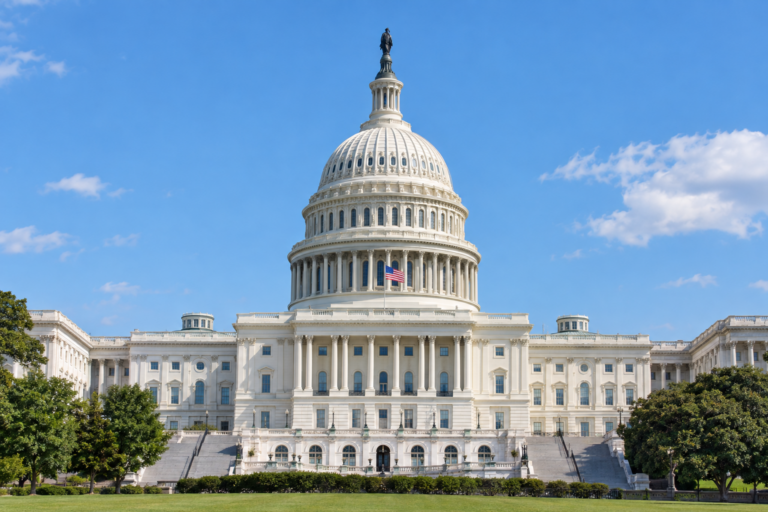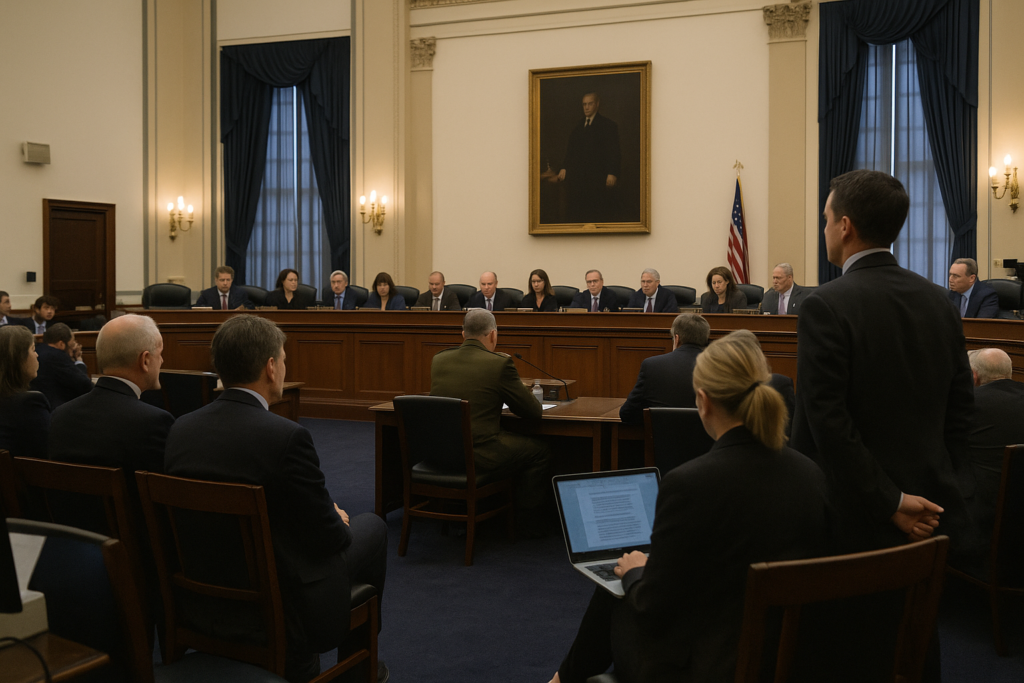
Lawmakers have resumed discussions in Congress regarding the escalating costs and the authorization of military actions in Iran. The Pentagon recently informed Congress that it requires approximately $80 billion, primarily to fund the ongoing military campaign in Iran. This request has sparked a heated debate about whether Congress has adequately authorized or monitored the military operations in the region.
The situation is further complicated by the broader implications for U.S. foreign policy and the checks and balances intended by the Constitution. Senators from both parties are demanding more comprehensive briefings on the evolving U.S.-Iran framework, as well as clarity on the administration’s strategic plans moving forward.
The political stakes are high, intertwining issues of war powers, budget appropriations, sanctions policy, and oversight of any potential agreements that may arise from the conflict. As the situation develops, lawmakers are grappling with their responsibilities to ensure accountability and transparency in military engagements.
In Beaufort, the military presence is significant, with major employers like Marine Corps Air Station Beaufort and Parris Island contributing to the local economy. The implications of Congress’s decisions regarding the Iran conflict could resonate in the Lowcountry, where military and federal defense industries play a crucial role in the community’s economic stability.
As the debate unfolds, the residents of Beaufort and surrounding areas may find themselves directly impacted by the fiscal and strategic outcomes of the congressional discussions. The local military installations not only provide jobs but also shape the community’s identity, making the decisions made in Washington particularly relevant to those living in Beaufort.
The intersection of local and national interests underscores the importance of congressional oversight in military matters. As lawmakers continue to seek answers and clarity, the implications for both U.S. foreign policy and local economies remain a focal point of concern.