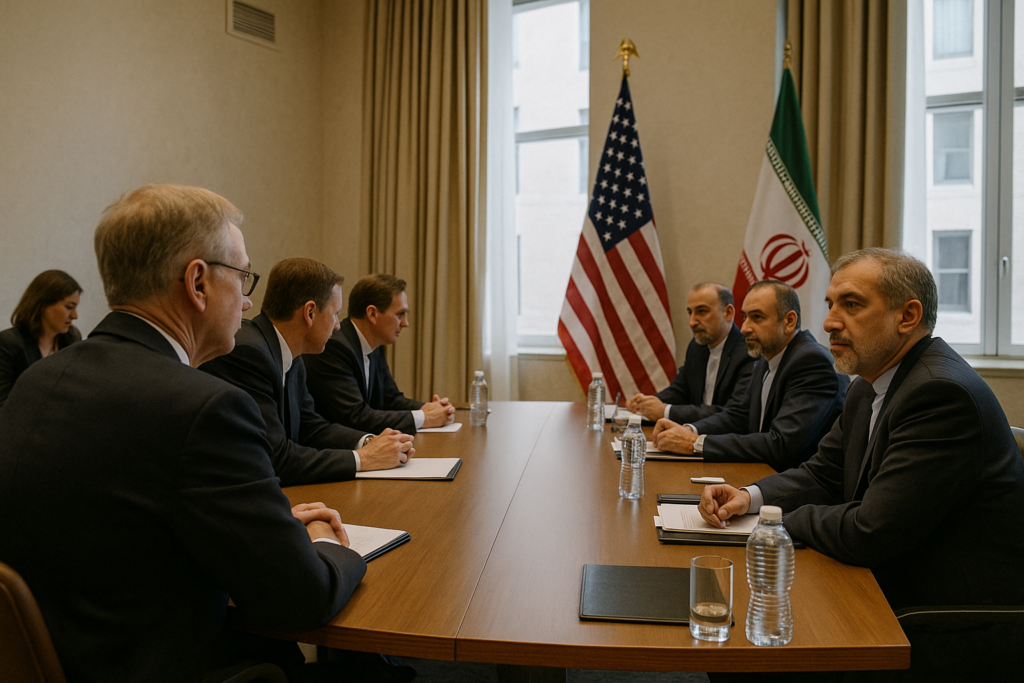
The United States government announced on Tuesday that it has waived sanctions on Iranian oil and related transactions for a period of 60 days. This decision follows recent negotiations aimed at implementing an emerging framework concerning Iran’s economic relief efforts. The waiver is set to last until August 21 and is closely tied to the initial steps laid out in the agreement.
Iranian officials have characterized this relief as encompassing not only oil exports but also petrochemical transactions, the release of frozen assets, and plans for reconstruction within the country. This development is significant as it directly impacts global energy markets and the flow of oil through the strategically important Strait of Hormuz, a critical passage for international shipping.
The U.S. administration has made it clear that this temporary waiver is contingent upon Iran’s compliance with the terms of the agreement. The president has warned that U.S. policy may shift if Tehran fails to uphold its commitments, emphasizing the delicate balance of diplomacy and national security involved in these negotiations.
As discussions continue, the implications of this waiver extend beyond just economic relief for Iran. The global energy market is closely monitoring the situation, particularly in light of the ongoing volatility in oil prices and supply chains. The outcome of these negotiations could influence energy costs and availability, not only in the United States but also in allied nations that rely on stable oil supplies.
The situation remains fluid, with various stakeholders weighing in on the potential impacts of the sanctions waiver. Analysts suggest that while this move may provide short-term economic benefits for Iran, the long-term effects will depend heavily on the country’s adherence to the agreement and the geopolitical dynamics in the region.