The escalating global demand for high-performance memory and storage components, primarily driven by the rapid expansion of artificial intelligence technologies, is beginning to exert upward pressure on the prices of a wide array of consumer electronics. This market dynamic, observed across various technology and business sectors, suggests that individuals and households in Beaufort considering new device purchases may encounter higher costs and potentially more limited availability.
At the heart of this trend is the insatiable need for specialized memory chips, such as High Bandwidth Memory (HBM), which are crucial for training and operating sophisticated AI models. These chips are designed for extremely fast data processing and transfer, capabilities far exceeding those typically found in standard consumer-grade memory modules like DDR (Double Data Rate) RAM used in personal computers or NAND flash storage found in smartphones and solid-state drives.
Manufacturers of memory and storage components, facing unprecedented demand from the AI sector, are increasingly allocating their production capacities and research and development resources toward these more lucrative and technically complex AI-specific products. This strategic shift, while profitable for chipmakers, inevitably impacts the supply chain for conventional memory and storage components. When a significant portion of manufacturing capability is diverted, the overall supply of components for consumer devices tightens.
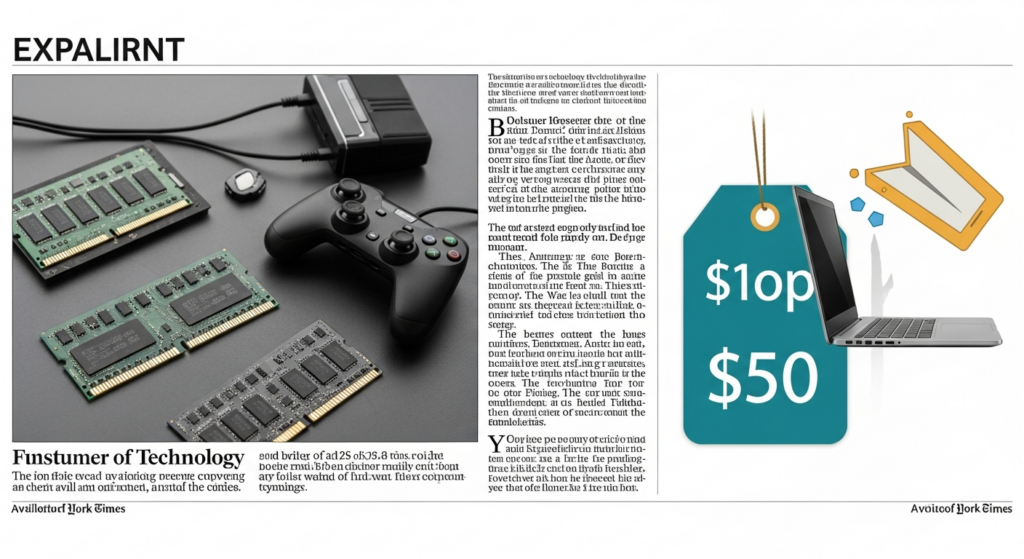
The economics of supply and demand dictate that reduced availability, coupled with steady or growing consumer interest, will lead to price increases. This phenomenon is not confined to a single type of device but is expected to affect a broad spectrum of consumer electronics. Gaming consoles, which rely on advanced graphics processing units (GPUs) and fast memory for immersive experiences, are particularly susceptible. Similarly, personal computers, laptops, and even high-end smartphones and tablets, all of which require substantial amounts of memory and storage to function efficiently, are likely to see their component costs rise, which manufacturers typically pass on to the end consumer.
The current market conditions represent a significant shift from previous cycles where consumer electronics often saw steady price declines due to technological advancements and economies of scale. The AI boom, however, introduces a new, powerful competitor for essential components, fundamentally altering the supply landscape. Industry analysts have noted that this is not a transient issue but a structural change in the semiconductor market, with AI infrastructure continuing to be a dominant force for the foreseeable future.
For consumers in Beaufort, understanding these underlying market forces can be valuable when planning technology purchases. While specific price guarantees are not possible, the general trend indicates that waiting for significant price drops on new models of laptops, gaming systems, or other memory-intensive devices may not yield the savings seen in past years. Instead, prices may stabilize at a higher baseline or continue to gradually increase as AI demand persists.
This situation also highlights the interconnectedness of global technology markets. A surge in demand for data centers and AI accelerators thousands of miles away can directly influence the cost of a new computer for a student at the University of South Carolina Beaufort or a gaming console for a family in the Mossy Oaks neighborhood. The complexity of modern supply chains means that specialized components for cutting-edge technologies have a cascading effect on more common, everyday electronics.
The impact extends beyond just new purchases. The cost of replacement parts, particularly memory and storage upgrades for existing devices, could also see an uptick. This could influence decisions around repairing older devices versus investing in new ones, adding another layer of consideration for consumers navigating the evolving tech landscape.
### Why it matters in Beaufort
The rising cost of consumer electronics due to global AI memory demand has tangible implications for residents and institutions across Beaufort. Families with children attending schools within the Beaufort County School District may face higher expenses when purchasing laptops or tablets essential for educational purposes. Students at the Technical College of the Lowcountry or the University of South Carolina Beaufort, who rely on up-to-date computing devices for their studies, could find their budgets stretched further. Furthermore, employees at major local employers like Beaufort Memorial Hospital or Marine Corps Air Station Beaufort, who frequently use personal devices for communication, entertainment, or remote work, will encounter these market pressures when upgrading or replacing their technology, impacting household budgets throughout the community.