The recent July Fourth holiday weekend saw widespread disruption across the eastern United States due to an extreme heat wave, prompting concerns about both public safety and infrastructure strain. The prolonged period of high temperatures affected celebrations, travel, and daily life for millions, underscoring the dual threat of heat-related illness and the potential for fueling intense summer storms.
Across the Eastern Seaboard, communities adjusted or canceled outdoor events planned for the holiday. The heat wave drove up electricity demand significantly, as residents relied heavily on air conditioning to cope with the oppressive conditions. This surge in consumption placed considerable pressure on regional power grids, raising questions about their resilience during sustained periods of extreme weather.
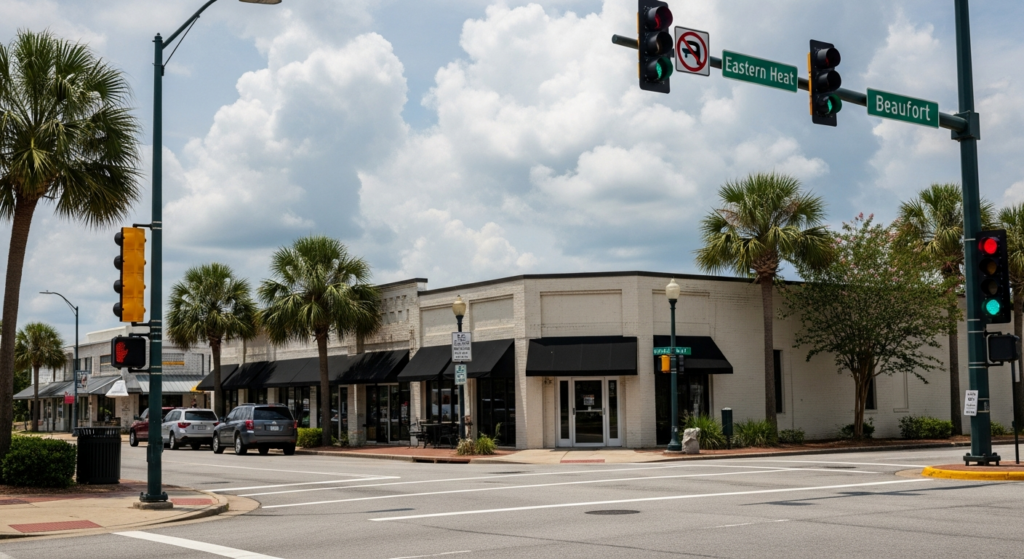
For Beaufort, while specific local advisories or event cancellations were not detailed, the city, like many in the Lowcountry, experienced the effects of this broader regional heat. Residents adjusted plans for outdoor activities, seeking cooler indoor environments or limiting exposure during the hottest parts of the day. The general concerns about power stability and storm readiness are particularly relevant in a coastal area prone to severe summer weather.
The combination of high heat and humidity creates atmospheric conditions ripe for severe thunderstorms. These storms can manifest with heavy rain, strong winds, and lightning, posing risks to property and public safety. The elevated temperatures contribute to the energy available in the atmosphere, potentially intensifying these weather events. Such conditions are a recurring feature of summer in Beaufort, making preparedness a constant consideration.
Major institutions in Beaufort, including Marine Corps Air Station Beaufort, Marine Corps Recruit Depot Parris Island, and Beaufort Memorial Hospital, all operate critical facilities that rely on stable power and safe environmental conditions. Sustained heat waves test the capacity of cooling systems and emergency power infrastructure, ensuring continuity of essential services.
Local utility providers faced increased demand, a common challenge during summer months. While no widespread outages were reported specifically in Beaufort related to this heat wave, the national trend highlights the importance of robust infrastructure and proactive management to prevent service disruptions. The city’s infrastructure, from its residential neighborhoods like Mossy Oaks to its commercial corridors along Boundary Street, must contend with these environmental pressures.
### Why it matters in Beaufort
The persistent heat wave, while a national phenomenon, underscores ongoing vulnerabilities and operational considerations in Beaufort. Institutions like Beaufort Memorial Hospital must maintain critical cooling systems to ensure patient care, and the extensive operations at Marine Corps Air Station Beaufort and Marine Corps Recruit Depot Parris Island depend on robust infrastructure resilient to extreme weather conditions. For residents across neighborhoods such as Mossy Oaks and Battery Point, the heat highlights the importance of reliable utility services and preparedness for summer storms, which can escalate quickly in the Lowcountry. The city’s reliance on tourism and outdoor activities during the summer also means that prolonged periods of extreme heat can subtly shift local patterns of commerce and recreation, even without direct cancellations, impacting local businesses and quality of life in Beaufort.