The burgeoning artificial intelligence sector is creating a significant surge in demand for high-performance memory and storage chips, a trend that technology and business analysts indicate could lead to increased costs and reduced availability for a range of consumer electronic devices.
This shift in the global supply chain for critical components is not merely a distant industry concern. It represents a fundamental re-prioritization of manufacturing capacity and raw materials, with implications for the prices consumers in Beaufort might pay for their next laptop, smartphone, or gaming system. The specialized memory required for AI applications, such as high-bandwidth memory (HBM), is increasingly absorbing manufacturing resources that would otherwise be allocated to the standard DRAM and NAND flash memory found in everyday devices.
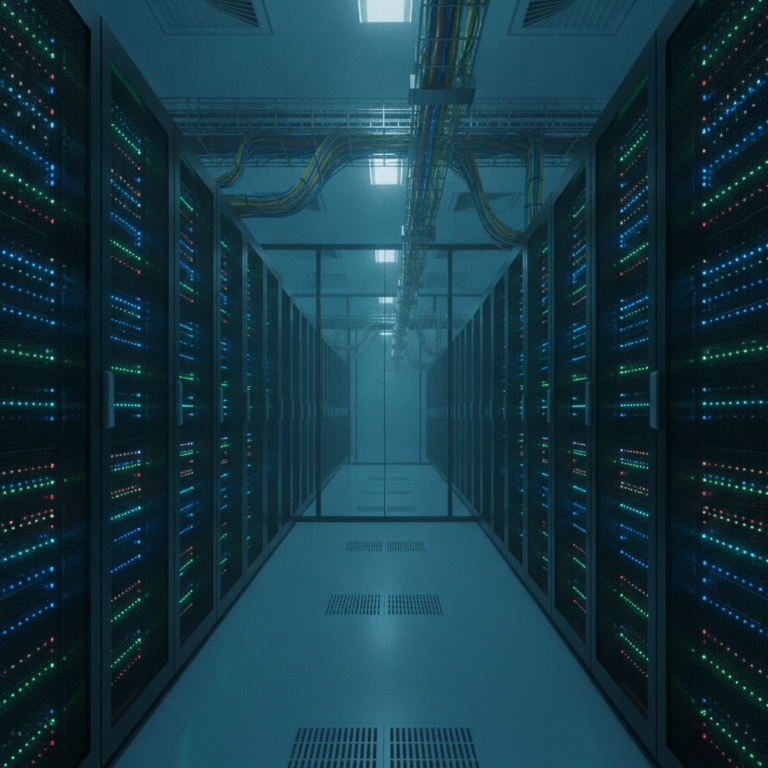
AI models, particularly large language models and advanced machine learning algorithms, demand immense computational power and vast quantities of data. Training these models and deploying them in data centers requires memory chips with significantly higher capacities and faster data transfer rates than those typically used in consumer products. As technology companies invest billions in building out this AI infrastructure, the competition for these advanced components intensifies, driving up their cost.
This elevated demand for AI-specific memory components has a cascading effect. Manufacturers of memory chips are adapting their production lines to meet the more lucrative AI market, which can lead to a reduced supply of the less specialized, but equally essential, memory types used in consumer electronics. Consequently, the cost of these standard components may rise due to scarcity, a factor that device makers often pass on to consumers.
For residents and businesses in Beaufort, this dynamic could translate into higher prices for new personal computers, tablets, and even automotive electronics that rely on similar memory technologies. Gaming consoles, which are often at the forefront of adopting new memory architectures for performance, could also see their pricing influenced by these market forces. The summer months in Beaufort often see families considering upgrades to their home technology or students preparing for the academic year, making these potential price shifts particularly relevant.
Local institutions, such as the Beaufort County School District, the Technical College of the Lowcountry, and the University of South Carolina Beaufort, regularly procure large quantities of computers and other electronic equipment for classrooms, labs, and administrative functions. Any sustained increase in component costs could impact their purchasing budgets, potentially affecting the pace of technology upgrades or requiring adjustments in resource allocation. Similarly, businesses across Beaufort, from small enterprises to larger employers like Beaufort Memorial Hospital, rely on a steady supply of affordable and up-to-date technology to maintain operations and serve the community.
The market for memory and storage components is complex, influenced by global economic conditions, geopolitical factors, and technological advancements. While predicting specific price changes is challenging, the underlying trend of AI-driven demand for memory is a consistent factor that industry observers are closely monitoring. Consumers and organizations in Beaufort may find it prudent to monitor market trends when planning significant technology purchases in the coming months, as the global technology landscape continues to evolve under the influence of artificial intelligence.