Hunters across Beaufort and the broader Lowcountry region are beginning their preparations for the upcoming deer season, with a comprehensive guide detailing essential gear checks, stand placement strategies, and mapping techniques. The recommendations aim to enhance safety, efficiency, and success rates for those pursuing deer in the diverse local terrain.
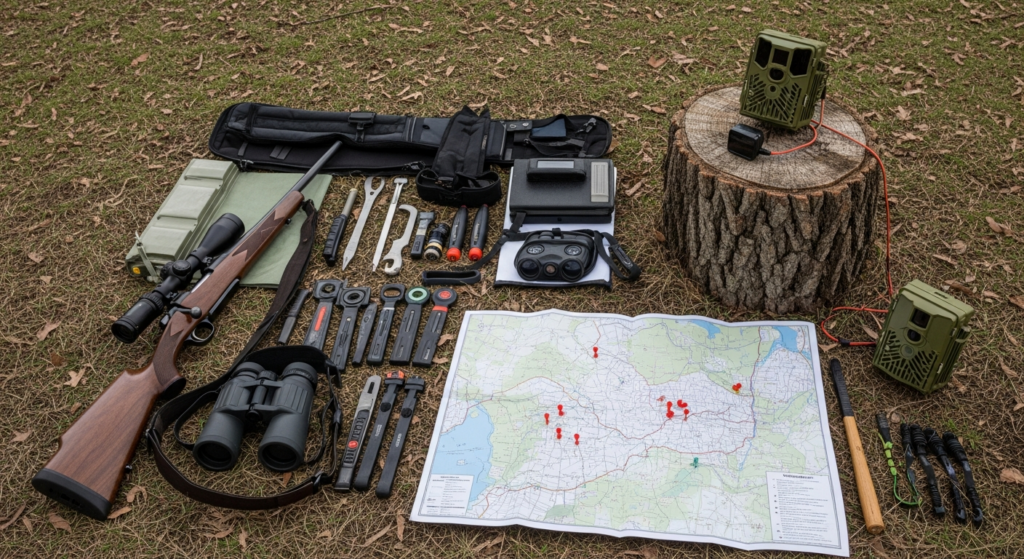
The guide emphasizes a thorough inspection of all hunting equipment. For archery enthusiasts, this includes meticulously examining bows for any signs of wear, such as worn or separated limbs, cams, and strings. Regular waxing of bowstrings is advised, and any questionable components should be replaced proactively. Consistency in shooting is paramount, with the guide recommending frequent practice sessions to build and maintain proficiency. Rifle users are instructed to clean and oil their firearms, verify the security of scope mounts, and confirm rifle zero at a shooting range to ensure accuracy. For arrow users, an arrow spinner is recommended to check broadhead straightness and alignment, as even slight wobbles can significantly impair arrow flight and accuracy.
Personal gear also requires careful attention. Hunting clothing should be washed with scent-free detergent to minimize human odor detection by deer. Hunters are advised to inspect their apparel for holes, worn seams, and fading that could compromise camouflage or comfort. New footwear should be broken in well before the season begins, and waterproofing should be verified to ensure dry feet in varied conditions. For protection against tick-borne illnesses, treating clothing with permethrin is a recommended step, particularly relevant in the humid, vegetated environments common around Beaufort.
Treestands, ladder stands, and climbing sticks are critical pieces of equipment that demand rigorous inspection. The guide advises checking for rust, loose fasteners, cracks in welds or materials, and frayed straps. A full-body harness, used in conjunction with a lifeline, should be tested to ensure it functions correctly and fits properly, a vital safety measure when hunting from elevated positions. Electronic navigation tools also require preparation; handheld GPS units should be fully charged, or mapping applications downloaded and updated on smartphones. The guide highlights advanced mapping tools like Xtra, an add-on to REVEAL plans, which provides detailed property boundaries, landowner information, and on-the-ground navigation capabilities, starting at $4 per month.
Strategic stand placement is a cornerstone of effective deer hunting. The guide suggests identifying natural pinch points, funnels, and creek crossings where deer movement is concentrated. Staging areas near food sources or bedding grounds are also prime locations, particularly those where bucks feel secure moving during daylight hours. Hanging stands as early as possible minimizes disturbance to the area. When trimming shooting lanes, a conservative approach is recommended to reduce noise and exposure, and all methods used should be quiet and scent-free to avoid alerting game.
Map scouting, utilizing satellite imagery and topographical data, is another key preparatory step. Hunters should study contour lines to identify saddles, ridges, and draws that deer frequently traverse. Locating creeks, ponds, and low spots can reveal crucial water sources, especially important during the warmer days of summer and early fall. Marking agricultural fields, oak stands, and natural browse areas helps in understanding deer feeding patterns. Evaluating trailheads and access points is essential for planning entry and exit routes that account for varying wind conditions, preventing deer from being spooked.
Trail cameras play a significant role in scouting and patterning deer. Recommended locations include mineral licks for inventory and early patterning of deer populations, bedding-to-feeding trails to monitor daily routines, and field edges and corners for observing evening movement over food sources. Water sources can be particularly valuable camera locations, especially on hot days or during the rut, as deer frequently visit them. Power options for cameras include lithium cartridges, solar panels (both standard and folding), and battery belts, offering flexibility for extended deployment.
Before deploying trail cameras, several steps ensure optimal performance. Batteries should be fully charged, and SD cards, if used, should be formatted and labeled. Testing the field of view, motion activation, flash, and other settings is crucial. Cellular cameras require activation and updating with the most recent version of the REVEAL app before leaving for the field. The guide notes that Ultra and REVEAL 3.0 series cameras feature internal memory, making SD cards optional for these models.
Beyond hunting-specific gear, general camp preparations are also vital. Tents and campers should be inspected for wear, missing stakes, cracked poles, or other damaged items. Sleeping bags and pillows should be washed or aired out. Camping-stove fuel canisters need to be filled, and all cutlery accounted for. Personal readiness includes practicing shooting while wearing hunting clothes to simulate actual conditions, and ensuring packs contain essential items such as tags, snacks, water, a valid license, and a first-aid kit. Coordinating plans with private-land owners is essential for those hunting on private property. Finally, getting into physical shape for long hikes and climbs can significantly improve endurance and safety in the field.
Why it matters in Beaufort
For residents of Beaufort and the surrounding Lowcountry, the annual deer season is a significant event, drawing many outdoors enthusiasts to the region’s abundant natural areas, including nearby Hunting Island State Park and Pinckney Island National Wildlife Refuge. This detailed preparation guide underscores the importance of safety and responsible hunting practices, which directly impact local wildlife management efforts and the experience of all who utilize these public and private lands. Adherence to these guidelines helps ensure a safe season, reducing the burden on emergency services at facilities like Beaufort Memorial Hospital and promoting sustainable wildlife populations for future generations of hunters and nature lovers in Beaufort County. The economic activity generated by hunting, from gear purchases to fuel and lodging, also contributes to the local economy, making a well-prepared and safe hunting season beneficial for the entire community. The Beaufort County Government also benefits from the responsible management of natural resources within its jurisdiction. This guide ensures that local hunters are equipped with the knowledge to navigate the season effectively and safely.