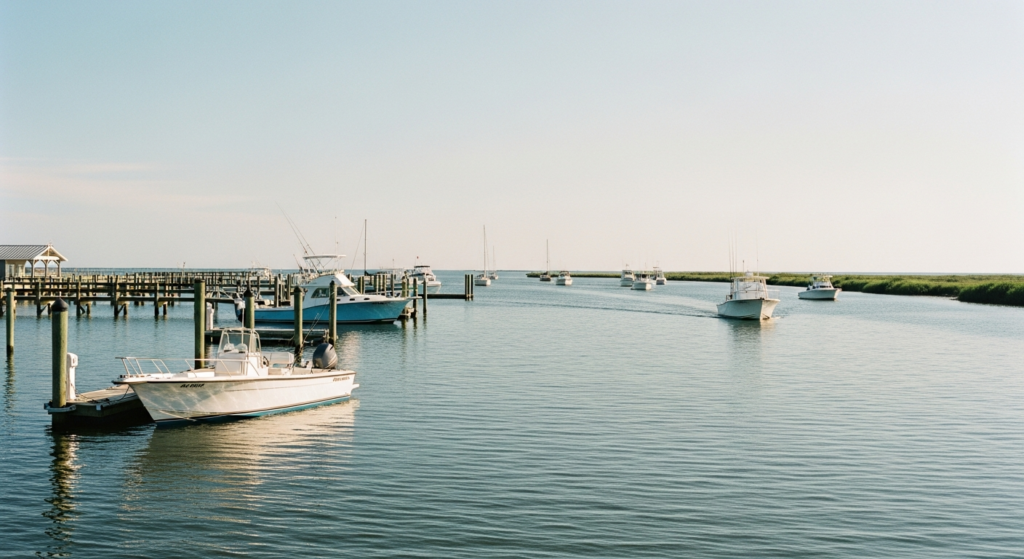
A new comprehensive safety guide has been released, offering critical advice for anglers navigating the waterways around Beaufort during the warmer months. The guide, which consolidates best practices for recreational fishing, emphasizes preparedness against environmental hazards and outlines immediate responses to common emergencies.
Central to the guide’s recommendations is robust sun protection, a necessity given the intensity of the sun’s rays in the Lowcountry. It explicitly states that UV radiation is strongest between 10 AM and 4 PM, a period when many anglers are on the water. A critical detail highlighted is the reflective property of water surfaces, which can amplify UV exposure by up to 15%. To counteract this, the guide advises the use of broad-spectrum sunscreen with a minimum SPF of 30. For individuals anticipating extended periods on the water, an SPF 50+ is strongly recommended. Proper application is also stressed: sunscreen should be applied at least 30 minutes before sun exposure to allow for absorption and must be reapplied every two hours, or more frequently if an individual is sweating heavily or has been splashed.
Beyond topical protection, the guide advocates for specific protective equipment. Lightweight, long-sleeved clothing with a UPF (Ultraviolet Protection Factor) rating is suggested to create a physical barrier against the sun. Headwear is also a key component of sun safety, with a wide-brimmed hat offering at least four inches of coverage around the entire head and neck being the preferred choice. To protect vision and reduce glare, polarized sunglasses that provide 100% UV protection are recommended. These measures collectively aim to minimize the risk of sunburn, heat-related illnesses, and long-term skin damage for those enjoying fishing in and around the Beaufort River, Broad River, and Port Royal Sound.
Hydration is another cornerstone of the safety recommendations, particularly vital in Beaufort’s humid summer climate. The guide advises anglers to consume at least eight ounces of water every 15 to 20 minutes during active fishing. This consistent intake is crucial to prevent dehydration, which can quickly set in under strenuous conditions and high temperatures. Conversely, the guide explicitly warns against beverages high in caffeine or alcohol. These substances are diuretics and can accelerate fluid loss, thereby contributing to dehydration rather than alleviating it, undermining the body’s ability to regulate temperature.
The guide provides clear distinctions and response protocols for heat-related emergencies, starting with heat exhaustion. Symptoms of heat exhaustion include heavy sweating, general weakness, nausea, headache, and muscle cramps. Should these signs appear, immediate action is necessary. The guide recommends moving the affected individual to a shaded area, removing any excess clothing to facilitate cooling, and applying cool water to the skin. If the person is conscious and able to swallow, providing cool fluids is also advised. These steps are designed to lower body temperature and stabilize the individual before the condition escalates.
Heat stroke, however, is presented as a life-threatening emergency requiring immediate medical intervention. Its symptoms are more severe and include a body temperature exceeding 103°F, an altered mental state (such as confusion or disorientation), hot and dry skin (though sweating may still be present), a rapid pulse, and potentially unconsciousness. The guide unequivocally states that 911 must be called immediately upon recognizing these symptoms. While awaiting emergency services, aggressive cooling measures should be initiated, which can include immersing the individual in cool water if safe, or applying ice packs to the neck, armpits, and groin.
For those venturing out on boats, the guide includes specific maritime safety protocols. Before departure, anglers are advised to inspect their engine cooling system to prevent overheating and potential breakdowns on the water. Filing a float plan with a trusted contact is also recommended, detailing the planned route, expected return time, and number of people on board. This ensures that search and rescue efforts can be initiated promptly if a vessel does not return as scheduled. Crucially, the guide stresses the importance of carrying extra water, recommending at least one gallon per person per day for emergencies, in addition to regular hydration supplies. Emergency supplies should also include a VHF radio for reliable communication, especially in areas where cell service may be unreliable, such as parts of the Coosaw River or farther out in Port Royal Sound.
Why it matters in Beaufort
These safety guidelines are particularly pertinent for Beaufort, a city deeply connected to its surrounding waterways. Recreational fishing is a cornerstone of local leisure and tourism, with residents and visitors alike frequenting the Beaufort River, Broad River, and the nearby Hunting Island State Park for angling opportunities. Adherence to these recommendations is crucial for public safety, directly impacting the well-being of individuals who engage with the region’s natural resources. Beaufort Memorial Hospital, a primary healthcare provider in the area, often sees cases of heat-related illnesses during the summer months. By following these precautions, anglers can significantly reduce the strain on emergency services and healthcare facilities, ensuring that the enjoyment of Beaufort’s abundant fishing grounds remains safe and sustainable for all. The guide serves as a practical resource for maintaining personal safety while enjoying the unique aquatic environment that defines much of life in Beaufort.