A new guide has been released to assist deer hunters in the Beaufort area with comprehensive preseason preparations, covering everything from weapon inspection to advanced mapping tools. The resource emphasizes thoroughness and early completion of tasks to ensure safety and readiness well before opening day.
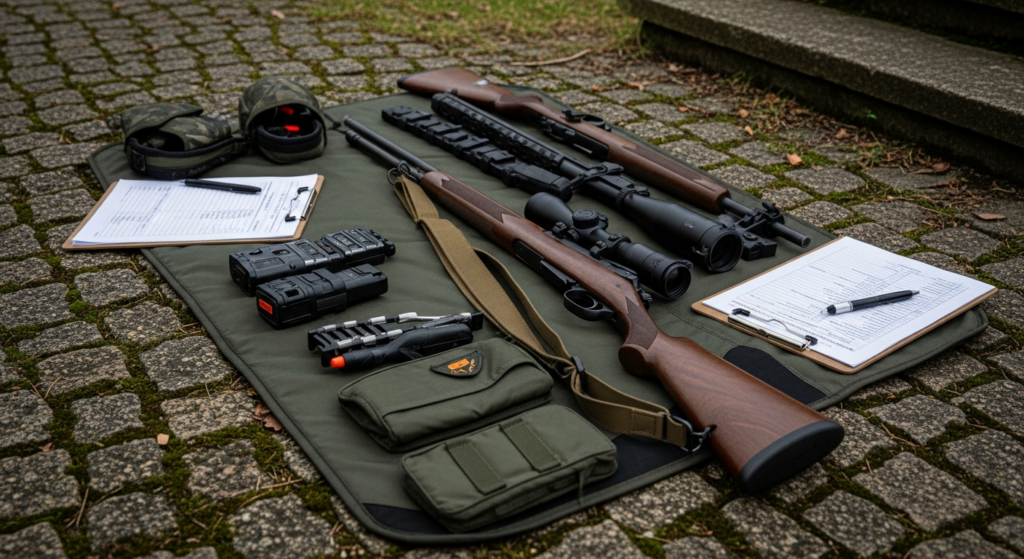
For archery enthusiasts, the guide recommends a meticulous inspection of bows. This includes checking limbs, cams, and strings for any signs of wear, separation, or damage. Strings should be waxed regularly, and any questionable components ought to be replaced proactively. Consistent practice shooting is advised to maintain proficiency. Rifle hunters are instructed to clean and oil their firearms, verify scope mounts, and confirm rifle zero at a shooting range. For arrow users, an arrow spinner is suggested to check broadhead and arrow straightness and alignment, crucial for accurate shots.
Clothing and footwear also require significant attention. Hunters should wash all hunting apparel with scent-free detergent, inspecting for holes, worn seams, and fading that could compromise camouflage. New footwear should be broken in well in advance to prevent discomfort in the field, and waterproofing verified. Treating clothing with permethrin is recommended when necessary to protect against tick-borne illnesses, a common concern in the Lowcountry’s humid environment.
Safety equipment is paramount. The guide stresses the importance of inspecting treestands, ladder stands, climbing sticks, full-body harnesses, and lifelines. Hunters should look for any signs of structural fatigue, rust, or wear that could lead to failure. Ensuring all safety gear is in top condition is a non-negotiable step before heading into the woods.
Strategic stand placement is another key component of successful hunting. The guide advises positioning stands at natural pinch points, funnels, creek crossings, or staging areas located near food sources or bedding grounds. Hanging stands early allows deer to acclimate to their presence, reducing the likelihood of spooking game. Trimming shooting lanes should be done conservatively, removing only what is necessary to ensure clear shots. All setup activities should be conducted using quiet, scent-free methods to minimize disturbance.
Map scouting, particularly with satellite imagery, offers a significant advantage. Hunters are encouraged to study contour lines to identify saddles, ridges, and draws where deer naturally travel. Locating creeks, ponds, and low spots can reveal water sources, while marking agricultural fields, oak stands, and natural browse areas helps pinpoint feeding zones. Planning access routes that account for varying wind conditions is critical to avoid alerting deer to a hunter’s presence.
Trail cameras have become an indispensable tool for many hunters. Recommended locations for deployment include mineral licks, trails connecting bedding and feeding areas, field edges and corners, and water sources. Power options for these cameras range from lithium cartridges to solar panels, including folding solar panels and battery belts, offering flexibility for extended deployment. Before placing cameras, hunters should ensure batteries are fully charged, SD cards are formatted and labeled (if used), and the field of view, motion activation, flash, and other settings are thoroughly tested. The guide notes that Ultra and REVEAL 3.0 series cameras feature internal memory, making SD cards optional. Cellular cameras require activation and updates, with users advised to employ the most recent version of the REVEAL app.
An optional Xtra add-on, available for a subscription starting at $4 per month, provides enhanced mapping capabilities. This feature includes property boundaries, detailed property information, property access points, and even landowner names and addresses. It also offers shape and path drawing tools, custom pins, and navigation features, which can be particularly useful for hunters navigating private lands or complex terrain in and around Beaufort County.
Beyond field-specific gear, general camp and field preparations are also covered. This includes checking tents, sleeping bags, and pillows for condition, ensuring camping-stove fuel is sufficient, and organizing cutlery. For those using campers, a thorough inspection is recommended. Hunters should also pack appropriate hunting clothing, packs, tags, snacks, water, and licenses. A well-stocked first-aid kit is essential. Coordinating with private landowners for access and ensuring adequate physical conditioning for the demands of hunting are final, crucial steps before the season commences.
Why it matters in Beaufort
For residents of Beaufort and the surrounding Lowcountry, deer hunting is a deeply rooted tradition and a significant recreational activity. The detailed preparation outlined in this guide directly impacts the safety and success of countless individuals who participate in the sport. Given the proximity to natural areas like Hunting Island State Park and the ACE Basin National Wildlife Refuge, responsible and well-prepared hunting practices are vital for wildlife management and ecological balance. Adhering to these guidelines helps ensure a safer hunting season, reduces incidents, and promotes ethical practices that benefit both the hunting community and the broader natural environment of Beaufort County, which relies on healthy ecosystems for its tourism and quality of life. This proactive approach to preparation underscores a commitment to stewardship that resonates throughout the region.