A comprehensive safety guide has been released, emphasizing crucial precautions for anglers navigating the waterways around Beaufort during the summer months. The recommendations address common hazards associated with prolonged sun exposure, dehydration, and potential emergencies, underscoring the importance of preparedness for those enjoying the region’s abundant fishing opportunities.
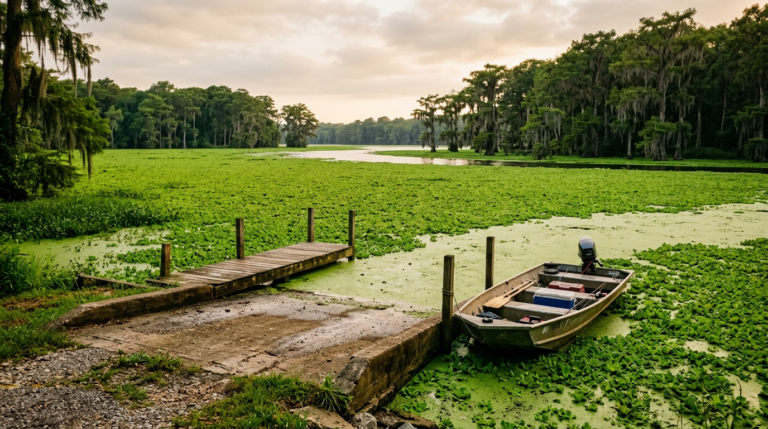
The guide highlights that the sun’s ultraviolet (UV) rays are most intense between 10 AM and 4 PM, a period when many anglers are often on the water. It also notes that reflective surfaces, particularly water, can amplify UV radiation, reflecting up to an additional 15 percent of these harmful rays. This increased exposure necessitates diligent protection, especially in the open environments of the Beaufort River, Broad River, and Port Royal Sound.
To combat the effects of the sun, the guide strongly recommends the use of broad-spectrum sunscreen with a sun protection factor (SPF) of at least 30. For individuals planning extended periods on the water or those prone to heavy sweating, an SPF of 50 or higher is advised. Proper application is key: sunscreen should be applied approximately 30 minutes before heading outdoors to allow it to absorb effectively. Reapplication is necessary every two hours, or more frequently if an angler is sweating heavily, getting splashed, or after swimming.
Beyond sunscreen, protective clothing and accessories are crucial. The guide suggests wearing lightweight, long-sleeved clothing with an ultraviolet protection factor (UPF) rating, which indicates how much UV radiation a fabric blocks. Light-colored garments are also recommended as they reflect sunlight rather than absorbing it, helping to keep the body cooler. A wide-brimmed hat, providing at least four inches of coverage around the entire head, is essential for protecting the face, ears, and neck. Additionally, polarized sunglasses offering 100 percent UV protection are vital for safeguarding eyes from both direct and reflected sunlight, which can cause long-term damage.
Hydration is presented as a cornerstone of summer safety. Anglers are advised to drink at least eight ounces of water every 15 to 20 minutes while actively fishing. The guide stresses that hydration should begin even before stepping onto the boat or casting a line, recommending that individuals start hydrating the night before their outing. Beverages high in caffeine or alcohol should be avoided, as they can contribute to dehydration rather than alleviate it.
Early signs of dehydration include thirst, a dry mouth, decreased urination, and general fatigue. Recognizing these symptoms promptly allows for immediate intervention. However, more severe dehydration can manifest as dizziness, a rapid heartbeat, and confusion, indicating a more serious condition that requires urgent attention. Ignoring these signs can quickly escalate into a medical emergency, particularly in the humid summer climate of Beaufort.
Heat stroke is identified as a life-threatening emergency requiring immediate medical intervention. Symptoms can include a body temperature exceeding 103°F, an altered mental state (such as confusion, irritability, or disorientation), hot and dry skin (though sweating may still be present in some cases), a rapid and strong pulse, and potentially unconsciousness. If heat stroke is suspected, the guide instructs individuals to call 911 immediately and begin aggressive cooling measures, such as moving the person to a cooler environment, removing excess clothing, and applying cool, wet cloths or ice packs to the neck, armpits, and groin.
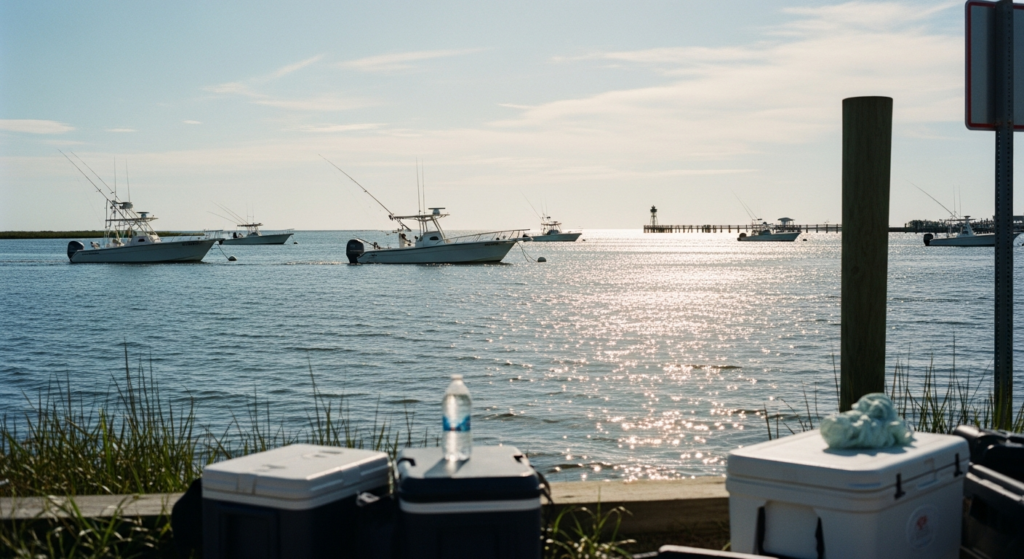
For those venturing out on boats, specific precautions are outlined. Anglers should routinely check their engine cooling systems to prevent breakdowns that could leave them stranded. Maintaining all safety equipment, including life jackets, flares, and first-aid kits, is paramount. Filing a float plan with a trusted contact, detailing the intended route, duration, and number of people onboard, can be critical for search and rescue efforts if an emergency arises. Carrying extra water, with at least one gallon per person per day for emergencies, along with other essential supplies, is also recommended. Finally, having a working VHF radio onboard ensures reliable communication with emergency services, especially when cell service may be unreliable in certain parts of the Broad River or Port Royal Sound.
Why it matters in Beaufort
The emphasis on fishing safety holds particular significance for Beaufort, a community deeply connected to its coastal environment and waterways. With residents and visitors alike frequently engaging in recreational fishing across the Beaufort River, Coosaw River, and nearby areas like Hunting Island State Park and the ACE Basin National Wildlife Refuge, these guidelines are essential for public health. Adherence to these safety measures can prevent heat-related illnesses and boating accidents, reducing the strain on local emergency services and healthcare providers, including Beaufort Memorial Hospital. By promoting safe practices, the community ensures that its natural assets can be enjoyed responsibly, protecting both individual well-being and the quality of life that defines Beaufort’s Lowcountry charm. The health and safety of those on the water directly contribute to the overall vitality and resilience of the city’s outdoor recreation culture. This proactive approach helps safeguard the many who seek respite and recreation in Beaufort’s waters throughout the summer season.