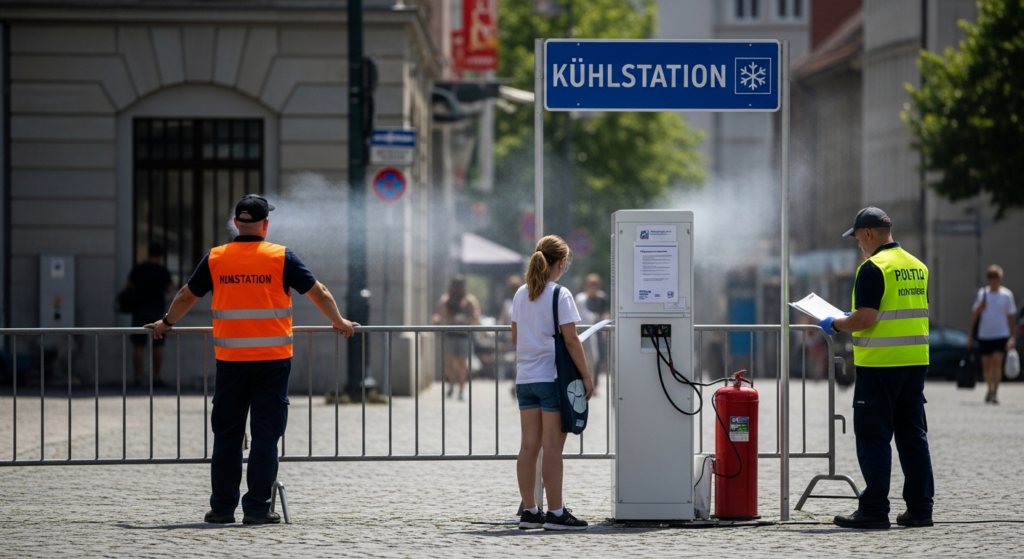
Central and eastern Europe are currently experiencing an extreme heat wave, with forecasts predicting temperatures to reach nearly 38 degrees Celsius in several major capitals. This intense heat has prompted emergency measures and significant travel disruptions across the continent, particularly affecting Italy and surrounding regions.
Public safety officials in affected areas have implemented a range of protocols to mitigate the health risks associated with the extreme temperatures. These measures often include advisories for vulnerable populations, such as the elderly and young children, to stay indoors and hydrated. Cooling centers have been established in some cities to provide relief for those without adequate air conditioning.
The heat wave is also causing considerable disruption to transportation networks. Rail services, in particular, have reported delays and cancellations due to the risk of track buckling under the extreme heat. Airlines are also monitoring conditions, though widespread cancellations have not yet been reported. Travelers planning journeys to or through affected European countries are advised to check with their service providers for the latest updates.
The prolonged period of high temperatures is placing a strain on infrastructure and public services. Power grids are experiencing increased demand due to widespread air conditioner use, raising concerns about potential blackouts in some areas. Outdoor work, especially in sectors like construction and agriculture, is being curtailed or rescheduled to the cooler parts of the day to prevent heat-related illnesses among workers.
Health authorities are urging residents to take precautions, including drinking plenty of water, avoiding strenuous physical activity during peak heat hours, and recognizing the signs of heat exhaustion and heatstroke. Emergency services are on heightened alert to respond to heat-related medical incidents.
The current forecast indicates that the extreme heat is likely to persist for several more days, with little relief expected in the immediate future. As the situation develops, further emergency measures and travel advisories may be issued by national and local authorities across Europe.
Why it matters in Beaufort:
While this extreme heat event is unfolding across Europe, its implications for Beaufort residents are primarily related to preparedness and awareness. The disruptions to international travel serve as a reminder for those planning summer trips abroad to monitor weather conditions and potential impacts on their itineraries. Locally, the focus on public safety measures and the strain on infrastructure during heat waves can inform Beaufort’s own emergency planning. Understanding how other regions manage such crises, from public advisories to protecting outdoor workers and managing utility demands, offers valuable lessons for maintaining resilience in Beaufort. The Beaufort County Emergency Management Agency, for instance, can draw on these international experiences when developing protocols for extreme weather events, ensuring that residents are informed and protected during periods of intense heat, which can also affect the Lowcountry.