As a July heat dome is forecast to affect the region, homeowners and gardeners in Beaufort are preparing for conditions that can stress outdoor plants. Protecting garden beds, container plants, and patios during periods of intense heat requires specific attention to watering, shading, and timing of maintenance.
Deep and infrequent watering is a primary recommendation for garden beds. Instead of light, daily sprinklings, experts suggest watering deeply at the base of plants, allowing the water to penetrate several inches into the soil. This encourages roots to grow deeper, making plants more resilient to surface heat and evaporation. The best time for this is early morning, before the sun’s intensity increases, which minimizes water loss to evaporation and allows plants to absorb moisture throughout the day.
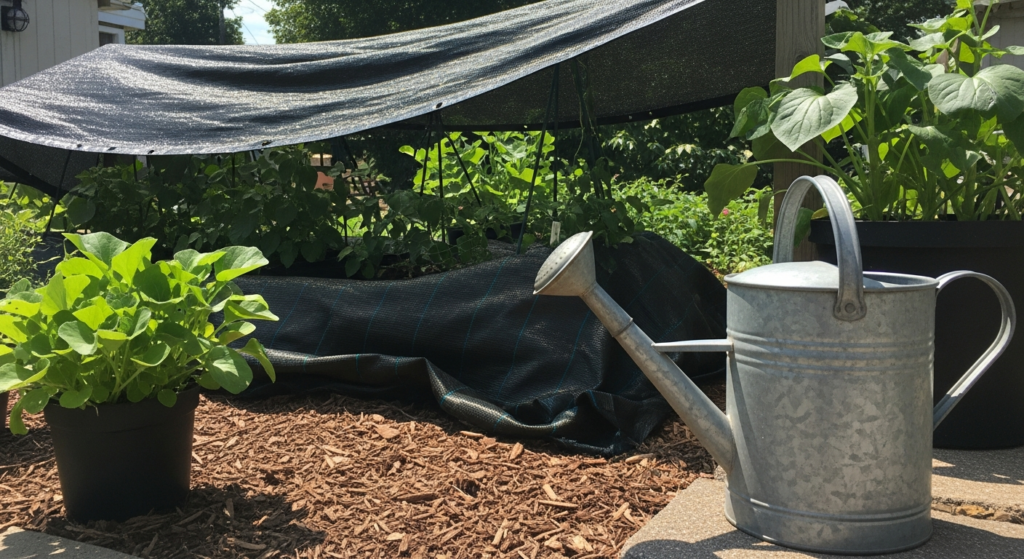
Shade and mulch play critical roles in mitigating heat stress. For garden beds, a layer of organic mulch, such as pine straw or wood chips, helps retain soil moisture, regulate soil temperature, and suppress weeds. This is particularly beneficial in the sandy soils often found in the Beaufort area. For more vulnerable plants or those in direct, intense sunlight, temporary shade structures, such as shade cloth or even umbrellas, can provide crucial relief during the hottest parts of the day. This is especially true for delicate ornamentals or recently planted specimens.
Container plants are particularly susceptible to heat, as their soil heats up more quickly and dries out faster than in-ground beds. Moving containers to shadier locations, such as under a porch, an awning, or the canopy of a larger tree, can significantly improve their chances of survival. If moving is not feasible, grouping containers together can create a microclimate that offers some mutual shading and reduces moisture loss. Ensuring adequate drainage in pots is also vital to prevent root rot while still allowing for deep watering.
Finally, avoiding midday outdoor work is crucial for both plant and gardener well-being. High temperatures and humidity in the Lowcountry during July can be dangerous. Watering, pruning, or planting should be reserved for the cooler hours of the early morning or late evening. Disturbing plants during peak heat can add to their stress, and physical exertion in such conditions poses health risks.
### Why it matters in Beaufort
The anticipated July heat dome presents a tangible challenge for the many homeowners and community spaces throughout Beaufort that pride themselves on their lush landscapes and vibrant gardens. From the residential streets of Mossy Oaks to the public plantings at Henry C. Chambers Waterfront Park, maintaining plant health through extreme summer conditions is a recurring concern. Implementing these protective measures helps preserve the aesthetic and ecological value of these green spaces, ensuring that the natural beauty characteristic of Beaufort endures even in the face of intense summer heat.