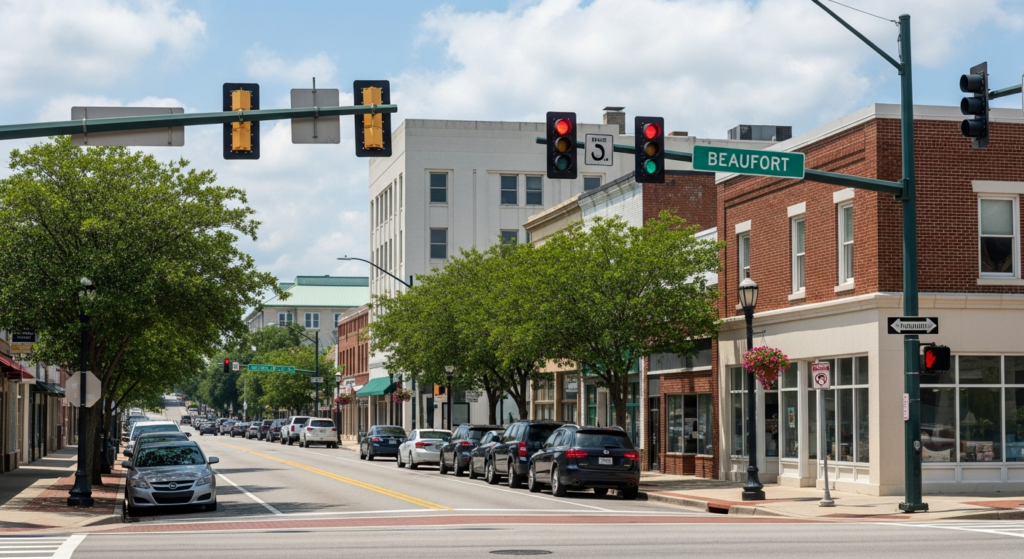
An extended period of extreme heat across parts of the eastern United States is entering its final phase this holiday weekend, with forecasters indicating a continued risk of severe storms. The widespread conditions, which have been a concern throughout the July Fourth period, have prompted advisories regarding dangerous temperatures, potential disruptions to outdoor events, and strain on power grids across affected regions.
While the broader Eastern U.S. has experienced significant impacts, communities like Beaufort are monitoring the regional weather patterns closely. The heat wave has underscored the importance of preparedness for high temperatures, particularly for those working outdoors or engaging in recreational activities. The potential for strong storms, often fueled by such intense heat, remains a consideration as the system dissipates.
Local institutions in Beaufort, including Marine Corps Air Station Beaufort and Marine Corps Recruit Depot Parris Island, typically adjust operations to safeguard personnel during periods of elevated heat. Similarly, Beaufort Memorial Hospital remains vigilant for heat-related illnesses, which can see an uptick during prolonged hot spells. The city’s numerous outdoor spaces, such as Henry C. Chambers Waterfront Park and Spanish Moss Trail, often see reduced activity during the hottest parts of the day when such conditions prevail.
The regional heat wave has highlighted the general challenges that high summer temperatures pose to infrastructure and public services. Power providers often face increased demand as air conditioning usage rises, and local emergency services prepare for potential heat-related calls. As the holiday weekend concludes, the focus shifts to the lingering atmospheric instability that could lead to localized storm development.
### Why it matters in Beaufort
The conclusion of the regional heat wave carries specific implications for Beaufort. Major employers like Marine Corps Air Station Beaufort and Marine Corps Recruit Depot Parris Island, which involve extensive outdoor training and operations, must continue to prioritize the health and safety of their personnel as temperatures remain elevated. Beaufort Memorial Hospital, a critical healthcare provider, maintains readiness for any increase in heat-related emergencies. Furthermore, the city’s tourism sector, heavily reliant on visitors enjoying outdoor attractions such as Henry C. Chambers Waterfront Park and Hunting Island State Park, could see continued adjustments in activity patterns until more moderate weather returns. The sustained period of high temperatures also places a consistent demand on the Beaufort County School District’s facilities, which may be used for various summer programs, emphasizing the need for robust cooling systems.