Comprehensive guidance on extreme heat safety has been detailed, outlining critical measures for preparation, cooling, hydration, and recognizing heat-related illnesses. The protocols address the increasing frequency and severity of extreme heat events, which are defined as prolonged periods of unusually high temperatures for a given time and place.
Extreme heat is recognized as a significant public health concern, responsible for more fatalities than any other weather-related event. The guidance underscores that the ongoing climate crisis is contributing to these events becoming more frequent, more severe, and longer-lasting, necessitating robust community preparedness.
Hydration and Nutritional Preparedness
Central to heat safety is adequate hydration. The guidance recommends that an average individual consume approximately three-quarters of a gallon of water daily. For emergency planning, supplies should include at least one gallon of drinking water per person per day. It explicitly advises against consuming sugary, caffeinated, or alcoholic beverages, as these can contribute to dehydration. When engaging in activities that cause heavy sweating, individuals are encouraged to replenish lost salt and minerals through appropriate snacks or sports drinks. This is particularly relevant in Beaufort, where outdoor activities, from military training at Marine Corps Air Station Beaufort and Parris Island to recreational pursuits along the Beaufort River, are common during the summer months.
Emergency Supply Kits
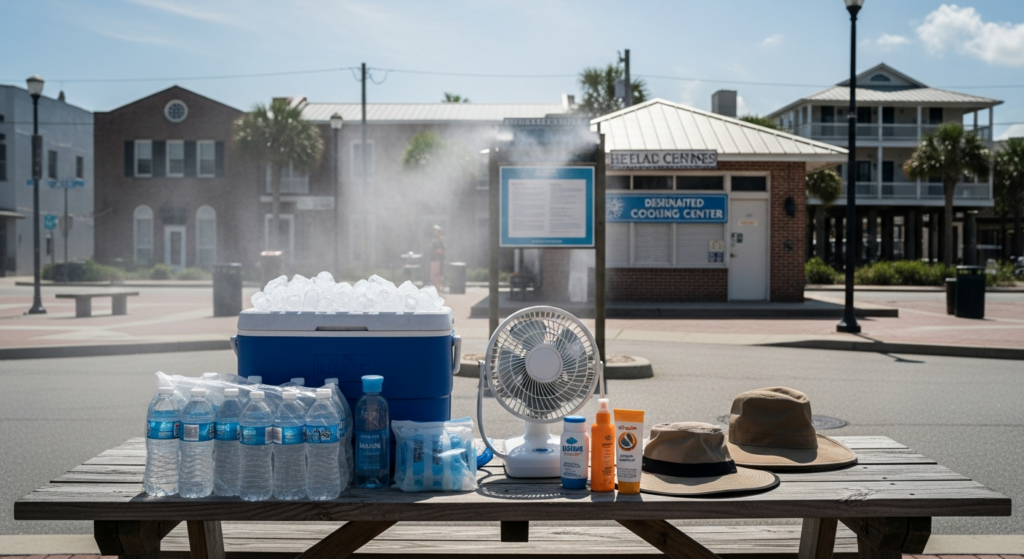
Preparedness extends beyond daily hydration to comprehensive emergency kits. Residents are advised to assemble a “Go-Kit” containing at least three days’ worth of portable supplies for immediate evacuation, and a “Stay-at-Home Kit” with a minimum of two weeks’ worth of supplies for sheltering in place. Essential items for these kits include a one-month supply of any necessary medications, stored in child-proof containers, along with other medical supplies or equipment. Backup batteries and chargers for electronic devices are also crucial. For outdoor protection, sunscreen and wide-brimmed hats are recommended to mitigate direct sun exposure.
Strategies for Staying Cool
Maintaining a cool body temperature is paramount. The guidance suggests spending several hours each day in an air-conditioned environment. It cautions against relying solely on electric fans when ambient temperatures reach the high 90s, as fans primarily circulate hot air under such conditions. When home air conditioning is unavailable or insufficient, public spaces such as the Beaufort County Library, local shopping malls, or designated cooling centers can provide essential relief. Wearing lightweight, loose-fitting clothing is also advised. For those whose work or leisure involves outdoor activity, limiting exposure during peak heat hours or scheduling activities for earlier or later in the day is a critical preventive measure.
Identifying Vulnerable Populations
Certain demographics face a heightened risk of heat-related illness. This includes older adults, infants, young children, and pregnant individuals. People with pre-existing medical conditions, outdoor workers, and those with limited personal resources are also particularly susceptible. Furthermore, individuals residing in areas with limited green spaces, which tend to be hotter due to the urban heat island effect, are at greater risk. In Beaufort, these categories encompass a diverse cross-section of the community, from retirees in neighborhoods like Battery Point and Mossy Oaks to military families and personnel, and individuals working outdoors in various sectors.
Recognizing and Responding to Heat Illness
Understanding the symptoms of heat illness is vital for timely intervention. Heat cramps typically manifest as heavy sweating accompanied by muscle pain or spasms. Heat exhaustion presents with more severe symptoms, including heavy sweating, cold, pale, and clammy skin, a fast but weak pulse, nausea or vomiting, general weakness, dizziness, headache, or fainting. The most severe form, heat stroke, is a medical emergency characterized by a body temperature of 104°F or higher, hot, red, dry or damp skin, a fast and strong pulse, headache, dizziness, nausea, confusion, or loss of consciousness.
For suspected cases of heat stroke, immediate action is critical. The guidance instructs individuals to call 911 without delay. While awaiting emergency services, the affected person should be moved to a cool location, and their body cooled rapidly using wet cloths, misting, fanning, or a cool bath. It is crucial not to give the person anything to drink. For those experiencing emotional distress after an extreme heat event, the Disaster Distress Helpline is available at 1-800-985-5990 for free calls or texts.
Why it matters in Beaufort
The comprehensive extreme heat safety guidance is particularly pertinent for Beaufort, a community that experiences significant summer heat and hosts a diverse population with varying vulnerabilities. With major employers like Marine Corps Air Station Beaufort and Parris Island involving extensive outdoor work, and a notable population of older adults, the risks of heat-related illnesses are pronounced. Beaufort Memorial Hospital and Naval Hospital Beaufort serve as critical healthcare infrastructure, prepared to manage heat-related emergencies. Adherence to these protocols can significantly reduce the strain on these vital services and protect the well-being of residents across the city, from families in Pigeon Point to students at the University of South Carolina Beaufort, ensuring a safer summer for all.