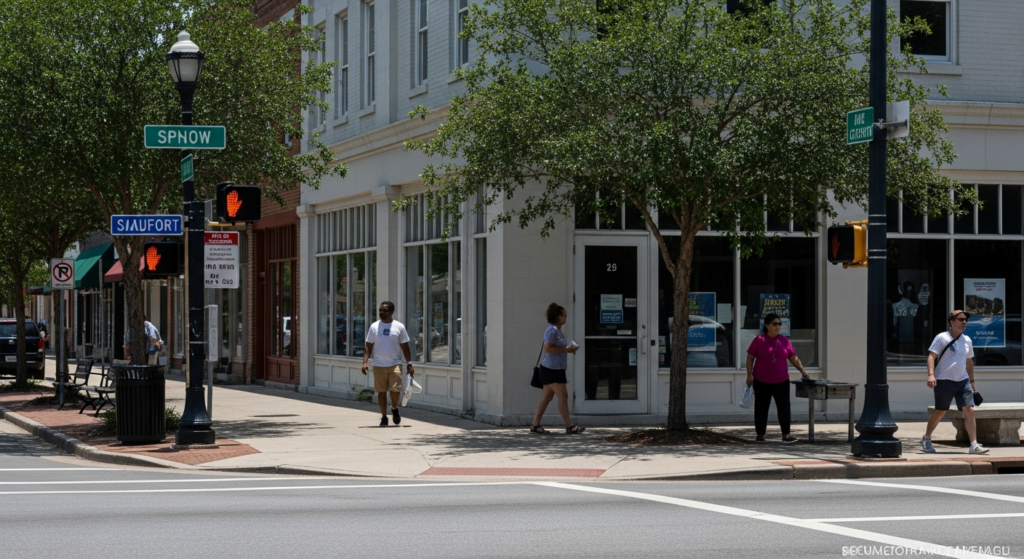
In 2023, excessive heat claimed 294 lives across the United States, a stark reminder of the serious health risks posed by high temperatures. As Beaufort experiences the peak of its summer, local authorities and healthcare providers are reiterating critical guidance to prevent heat-related illnesses, which can range from mild discomfort to life-threatening emergencies.
Certain segments of the population face heightened vulnerability to heat exposure. This includes individuals who work outdoors, such as those employed at Marine Corps Air Station Beaufort (MCAS Beaufort) or Marine Corps Recruit Depot Parris Island, as well as construction workers and those in tourism-related roles. Infants and young children are particularly susceptible, especially if left unattended in hot vehicles, a danger that local law enforcement frequently warns against. The elderly, individuals aged 65 and older, also face increased risk, as do those with chronic health conditions, those taking certain medications, or people who are overweight. Checking on vulnerable neighbors in areas like Mossy Oaks or Battery Point can be a crucial preventative measure.
Workplace precautions are essential for employers and employees alike. Recommendations include adjusting shifts to allow workers to acclimate to heat, ensuring constant hydration by encouraging fluid intake before thirst develops, and establishing a buddy system for monitoring coworkers for signs of heat exhaustion or heat stroke. Regular breaks in cool, shaded areas are also vital. While outdoor work often comes to mind, indoor heat stress can also occur in environments near ovens or furnaces, or in workspaces lacking adequate climate control. Resources like the Heat Stress mobile app can assist in assessing job-related risks, a tool that could benefit various industries across Beaufort County, from manufacturing to food service.
Heat exhaustion, a common precursor to more severe conditions, results from the excessive loss of water and salt through sweating. Symptoms can include pale, ashen, or moist skin; muscle cramps; fatigue, weakness, or general exhaustion; headaches, dizziness, or fainting spells; nausea or vomiting; and a rapid heart rate. Recognizing these signs early is crucial. Initial treatment involves moving the affected person to a shaded or air-conditioned environment, providing water or other cool, non-alcoholic beverages, and applying wet towels or facilitating a cool shower to lower body temperature. Prompt action can prevent escalation to heat stroke.
Heat stroke represents a medical emergency requiring immediate professional intervention. It is characterized by a body temperature exceeding 103 degrees Fahrenheit, flushed, dry, hot skin (often with sweating having stopped), rapid breathing, headache, dizziness, confusion, or other altered mental states, irrational or belligerent behavior, convulsions, or unresponsiveness. If heat stroke is suspected, 911 must be called without delay.
While waiting for emergency services, move the person to the coolest available place and remove any unnecessary clothing. The most effective immediate cooling method is to immerse the person up to the neck in cold water, ideally with a second rescuer present, or by using a cold shower or applying cold, wet towels. Continue cooling until the body temperature reaches 101 degrees Fahrenheit. Monitor their breathing and be prepared to administer CPR if necessary. It is critical not to force liquids, apply rubbing alcohol, or give pain relievers or salt tablets to someone experiencing heat stroke.
Preventative measures are the most effective defense against heat-related illnesses. Utilizing air conditioning at home, especially during the hottest parts of the day, is paramount. Consistent hydration, even when not thirsty, is vital, while alcohol consumption should be avoided as it can contribute to dehydration. Wearing loose, lightweight clothing, a hat, and sunscreen offers protection from the sun’s direct rays. Replacing lost salts through sweating with fruit juice or sports drinks can help maintain electrolyte balance. Avoiding strenuous outdoor activity during the hottest period, typically between 11 a.m. and 3 p.m., is strongly advised. When physical exertion is unavoidable, pacing oneself and taking frequent breaks can mitigate risks. Finally, checking on elderly, house-bound, or otherwise vulnerable neighbors, perhaps in communities like Habersham or Pigeon Point, and assisting them in reaching cooling centers or arranging other cooling support, embodies a collective responsibility during periods of extreme heat in Beaufort.
Why it matters in Beaufort
Beaufort’s position in the Lowcountry means its residents and workforce are routinely exposed to significant summer heat and humidity. The presence of major employers like Marine Corps Air Station Beaufort and Marine Corps Recruit Depot Parris Island, with thousands of personnel often engaged in outdoor training and operations, underscores the critical importance of heat safety protocols. Additionally, Beaufort Memorial Hospital and Naval Hospital Beaufort are primary care providers that will bear the brunt of heat-related emergencies, making community-wide prevention efforts essential to avoid overwhelming medical resources. Protecting vulnerable populations, including the elderly in neighborhoods like Cat Island and young families, is a collective effort that directly impacts the health and safety of the entire Beaufort community. The city’s reliance on outdoor activities and tourism also means that both visitors and local workers need to be acutely aware of and prepared for the risks posed by high temperatures. This guidance is not merely a recommendation but a vital public health imperative for the city of Beaufort.