Property owners in Beaufort are undertaking a range of preventative maintenance tasks this summer, focusing on critical exterior and interior systems to preserve structural integrity and mitigate future repair costs. Experts emphasize the importance of inspecting gutters, roofs, and decks, alongside addressing potential moisture issues, as part of a comprehensive approach to home upkeep.
Gutter System Integrity
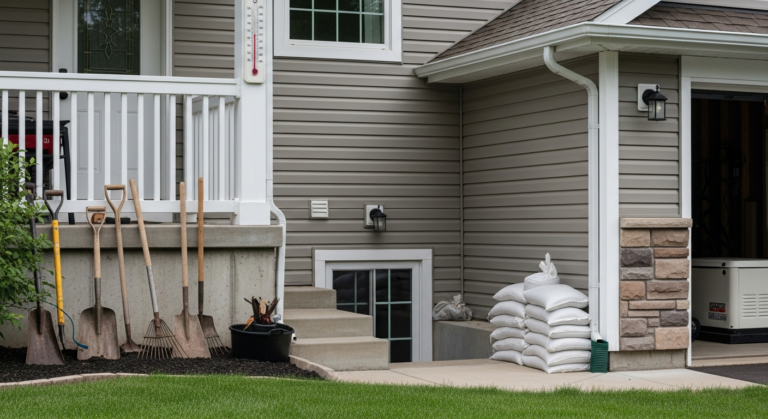
A functional gutter system is essential for directing rainwater away from a home’s foundation, preventing erosion, basement flooding, and damage to siding and landscaping. Homeowners are advised to inspect their gutters, including guards, downspouts, and extensions, to ensure water is channeled at least five feet away from the house. Key areas for inspection include loose, corroded, or detached sections, signs of ground erosion near the foundation, and any visible debris accumulation. Overflows during rain or slow water flow can indicate blockages or improper pitch, necessitating immediate attention.
While gutter guards can reduce debris, thorough cleaning is still recommended approximately every five years to remove fine sediment and ensure optimal performance. Professional gutter cleaning services typically cost around $150, though prices can vary based on the size of the home and the complexity of the job. Regular maintenance helps prevent more significant structural problems that can arise from prolonged water exposure.
Roofing and Attic Inspections
The roof serves as a primary defense against the elements, and its condition directly impacts a home’s overall resilience. Property owners should conduct annual roof checks, looking for missing or loose shingles that could allow water penetration. Particular attention should be paid to seams and flashing around chimneys, vents, and skylights, as these are common points of failure. Damaged seals around windows and other exterior openings also warrant inspection.
Inside the attic, homeowners should look for signs of missing insulation, which can lead to energy inefficiencies and moisture problems. Any discoloration, mold growth, or persistent dampness on attic surfaces or ceilings indicates a potential leak or ventilation issue that requires prompt investigation. Addressing these problems proactively can prevent extensive water damage and preserve the structural integrity of the roof and ceiling.
Deck Maintenance and Safety
Exterior decks provide valuable outdoor living space but require consistent maintenance to remain safe and aesthetically pleasing. Annual inspections should include checking for mold and mildew, which can degrade wood and create slippery surfaces. Popped screws, loose boards, and wobbling railings or stairs pose significant safety hazards and should be repaired immediately. Homeowners should also examine the points where the deck meets the house, railings, and stairs for any signs of rot or instability.
Protecting the wood surface is also critical. Clear sealants may need annual application to guard against moisture and UV damage, while semi-transparent stains typically last two or three years. Opaque solid stains offer longer protection, often requiring reapplication every three to five years. Proper sealing and staining not only enhance appearance but also extend the life of the deck by preventing wood rot and splintering.
Exterior Painting and General Upkeep
Exterior painting is best undertaken at the beginning or end of the summer season, when temperatures are consistently between 50 and 90 degrees Fahrenheit, allowing for optimal paint adhesion and curing. A properly prepared and executed paint job can protect a home’s exterior for up to 10 years, shielding it from weather and improving curb appeal. Surface preparation, including cleaning, scraping, and priming, is crucial for longevity.
Beyond major structural components, several routine tasks contribute to a home’s overall health during the warmer months. Gas grills should be cleaned once per season to prevent grease fires and maintain efficiency. Irrigation systems and outdoor plumbing should be checked for leaks, which can waste water and damage landscaping. Washing windows and screens improves visibility and air quality, while changing HVAC filters regularly enhances system efficiency and indoor air quality. Clearing dryer vents is a critical fire safety measure, and cleaning range-hood filters and refrigerator coils improves appliance performance and energy efficiency. Servicing heating systems during the summer, before cold weather returns, can identify potential issues and ensure reliable operation when needed.
Managing Indoor Moisture
Given Beaufort’s coastal climate, controlling indoor humidity is a year-round concern. Maintaining indoor humidity levels between 30 and 50 percent can prevent mold growth, dust mite proliferation, and damage to wood furnishings. A dehumidifier can be an effective tool for achieving this balance. Inadequate ventilation, cracked foundations, and poor exterior drainage are common contributors to damp basements and crawl spaces.
Persistent moisture or visible mold growth warrants a professional inspection by an HVAC specialist or a mold remediation expert. Addressing the root cause of moisture intrusion is paramount to protecting both the home’s structure and the health of its occupants.
Why it matters in Beaufort
For homeowners across Beaufort, particularly in established neighborhoods like Mossy Oaks and Battery Point, diligent home maintenance is more than a seasonal chore; it is an investment in property value and community resilience. The humid summer climate of the Lowcountry can accelerate wear and tear on exterior components, making proactive inspections of roofs, gutters, and decks especially critical. Neglecting these areas can lead to significant structural damage, increased energy costs, and potentially affect the broader aesthetic and economic stability of residential areas within Beaufort. Ensuring homes are well-maintained contributes to the overall health and appeal of the city’s diverse housing stock, safeguarding individual assets and the collective character of the community.