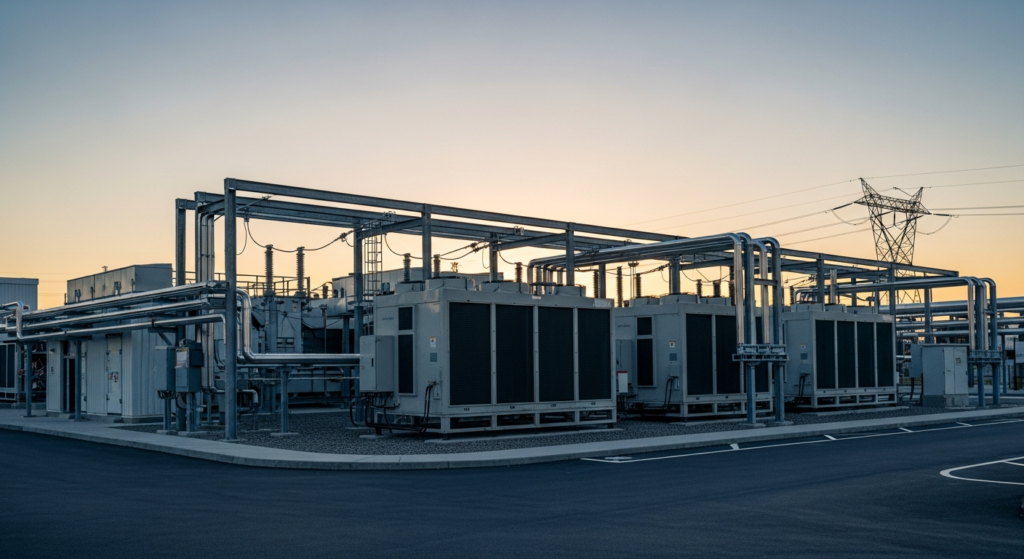
The rapid expansion of artificial intelligence capabilities continues to reshape the technology landscape, but the conversation has increasingly moved beyond software and algorithms to the foundational physical infrastructure required to support it. Industry analysts and power sector experts now widely acknowledge that the primary bottleneck for AI development is no longer the availability of advanced processing chips, but rather the immense and growing demand for electrical power.
This shift places unprecedented strain on existing electrical grids and necessitates significant long-term energy planning. AI data centers, which house the specialized hardware and cooling systems essential for machine learning operations, consume vast amounts of electricity. These facilities often require power equivalent to that of a small city, and their proliferation across the country is forcing utility companies to re-evaluate their generation, transmission, and distribution capacities.
The implications for grid reliability are substantial. As more AI data centers come online, the potential for demand to outstrip supply grows, raising concerns about the stability of electrical networks. Power companies, accustomed to more predictable growth patterns, are now grappling with exponential increases in projected demand, requiring accelerated investment in new power sources and grid modernization projects. These projects, which include upgrading substations, laying new transmission lines, and building additional generation facilities, often take years, if not decades, to complete, creating a critical timing challenge.
Hardware demand, while still robust for specialized AI accelerators and servers, is now intrinsically linked to the ability to power these systems. Manufacturers are designing more energy-efficient components, but the sheer scale of AI operations means that overall power consumption continues its upward trajectory. This creates a complex interplay where advancements in hardware must be matched by corresponding advancements in energy infrastructure.
Capital allocation within the technology sector is increasingly directed towards securing reliable and abundant power. Companies are investing in their own power generation solutions, exploring renewable energy options, and collaborating with utility providers to ensure their data centers have the necessary energy supply. This strategic pivot underscores the critical role that energy planning now plays in the competitive landscape of artificial intelligence.
The challenge extends beyond simply generating more electricity; it also involves ensuring the resilience and capacity of the entire grid system. Older infrastructure may not be equipped to handle the concentrated load of multiple large data centers, leading to potential vulnerabilities. The need for robust, redundant power supplies is paramount for these facilities, as any interruption can result in significant financial losses and operational disruptions.
For communities like Beaufort, while not currently a major hub for large-scale AI data centers, these national trends have indirect but significant implications. The broader strain on the national grid and the massive capital investments required by utility providers can influence regional energy costs and the pace of infrastructure upgrades. Local governments and major institutions rely on a stable and affordable power supply to operate effectively and support economic development.
### Why it matters in Beaufort
The escalating national demand for electrical power driven by AI infrastructure development has tangible, long-term implications for Beaufort. Major employers such as Marine Corps Air Station Beaufort, Marine Corps Recruit Depot Parris Island, Naval Hospital Beaufort, and Beaufort Memorial Hospital are significant consumers of electricity, and their critical operations depend on a reliable power grid. Any increased strain on regional power infrastructure, or rising energy costs passed on by utility providers due to national investment in grid upgrades, could directly impact their operational budgets and long-term planning. The Beaufort County Government and the City of Beaufort must consider these broader energy trends when planning for future infrastructure development and ensuring the continued resilience of local services and economic stability. Maintaining a robust and adaptable power supply is crucial for supporting existing institutions and fostering any future technological or industrial growth within Beaufort.