As deer hunting season draws nearer, a comprehensive preseason checklist is guiding hunters through essential preparations, from inspecting equipment to strategic stand placement and personal conditioning. The detailed recommendations aim to enhance safety and success for those venturing into the woods around Beaufort.
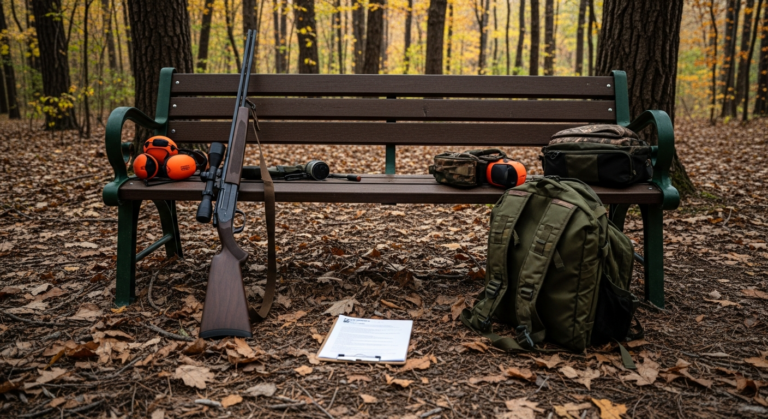
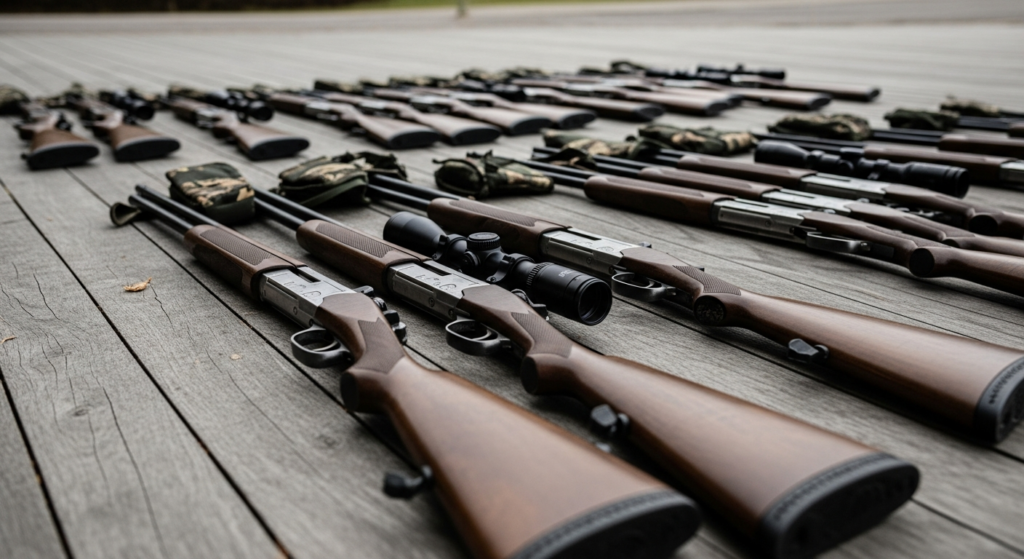
Weapon and optics inspections form a foundational element of the preseason regimen. Bowhunters are advised to meticulously examine their equipment, checking for any signs of wear or separation in limbs, cams, and strings. Regular waxing of strings is recommended, alongside the replacement of any questionable components to prevent mid-hunt failures. Consistent practice shooting is emphasized as crucial for building and maintaining accuracy. For rifle hunters, the checklist calls for thorough cleaning and oiling of firearms, verification of scope mount integrity, and confirming the rifle’s zero at a shooting range. Broadhead straightness and alignment are critical for arrow flight, with an arrow spinner recommended to detect any wobbling tips that could compromise accuracy.
Personal gear and clothing also require careful attention. Hunters are encouraged to wash all hunting apparel with scent-free detergents, inspect for holes, worn seams, or fading, and break in new footwear well in advance. Verifying the waterproofing of boots and outerwear is essential for comfort and protection in varied conditions. Given the prevalence of tick-borne illnesses, treating clothing with permethrin is a recommended preventive measure.
Treestand safety is paramount. The guide advises inspecting all treestands, ladder stands, and climbing sticks for rust, loose fasteners, cracks, or frayed straps. A full-body harness, tested with a lifeline, is considered an indispensable safety item. These inspections should be conducted thoroughly to ensure structural integrity before deployment.
Strategic stand placement is highlighted as a key factor in hunting success. The guide recommends identifying natural pinch points, funnels, creek crossings, and staging areas located near food sources or bedding grounds. Particular attention should be paid to locations where bucks are likely to feel secure moving during daylight hours. Hunters are advised to hang stands as early as possible to allow deer to acclimate to their presence. When trimming shooting lanes, a conservative approach is suggested to minimize noise and exposure, and all methods used should be quiet and scent-free.
Navigation and map scouting are increasingly reliant on technology. Hunters are encouraged to fully charge handheld GPS units or download mapping applications to their smartphones. Map scouting involves studying contour lines to identify saddles, ridges, and draws, as well as marking creeks, ponds, and low spots. Satellite maps are valuable for pinpointing agricultural fields, oak stands, and natural browse areas. Evaluating trailheads and access points is crucial for planning entry and exit routes that avoid disturbing deer, especially under varying wind conditions. An add-on mapping service, Xtra, is noted for providing property boundaries, landowner information, property access details, and on-the-ground navigation tools, starting at $4 per month.
Trail camera deployment is another critical preparation step. Recommended locations include mineral licks for early season inventory and patterning, trails connecting bedding to feeding areas, and field edges or corners for monitoring evening movement over food sources. Water sources can be particularly effective, especially on hot summer days or during the rut. Power options for cameras include lithium cartridges, solar panels, folding solar panels, and battery belts. Before deploying cameras, hunters should fully charge batteries, format and label SD cards (if used), and test the field of view, motion activation, and flash settings. Cellular cameras, such as the REVEAL Ultra and REVEAL 3.0 series (which feature internal memory, making SD cards optional), require activation and updating of the REVEAL app to its most recent version before leaving for the field.
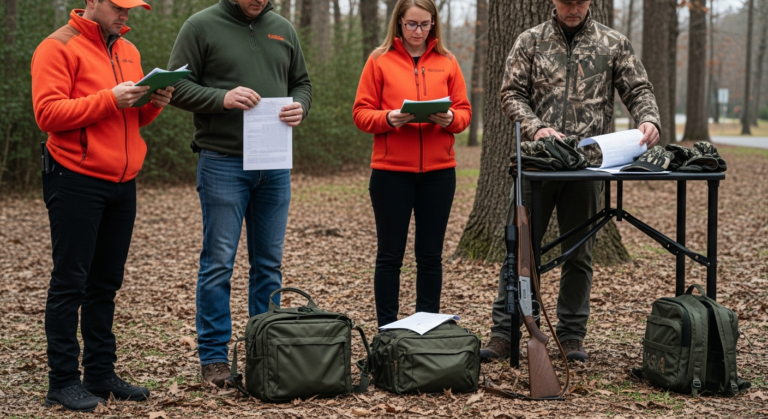
Additional preparation steps extend to camping equipment and personal readiness. Inspecting tents and campers for wear, missing stakes, cracked poles, or other items is advised. Sleeping bags and pillows should be washed or aired out. Camping stove fuel canisters should be filled, and all cutlery accounted for. Practicing shooting while wearing hunting clothes helps simulate real-world conditions. Packs should be checked for essential items such as tags, snacks, water, a hunting license, and a first-aid kit. For those hunting on private land, coordinating plans with landowners is a necessary step. Finally, getting into shape for long hikes and climbs is emphasized, underscoring the physical demands of hunting.
Why it matters in Beaufort
The meticulous preparation outlined in this guide holds particular relevance for hunters in Beaufort and the surrounding Lowcountry. With access to diverse natural habitats, including the expansive ACE Basin National Wildlife Refuge and various private land holdings, local hunters frequently navigate challenging terrain and dense woodlands. Adhering to these preseason protocols directly impacts safety, reducing the risk of equipment failure or accidents in remote areas. Furthermore, effective scouting and ethical hunting practices, bolstered by thorough preparation, contribute to sustainable wildlife management efforts in Beaufort County. The local outdoor recreation economy, supported by outfitters, sporting goods stores, and related services, also benefits from a well-prepared and engaged hunting community, ensuring continued participation in a long-standing regional tradition. These practices are essential for preserving both the hunting heritage and the ecological balance of the Beaufort River watershed and beyond.