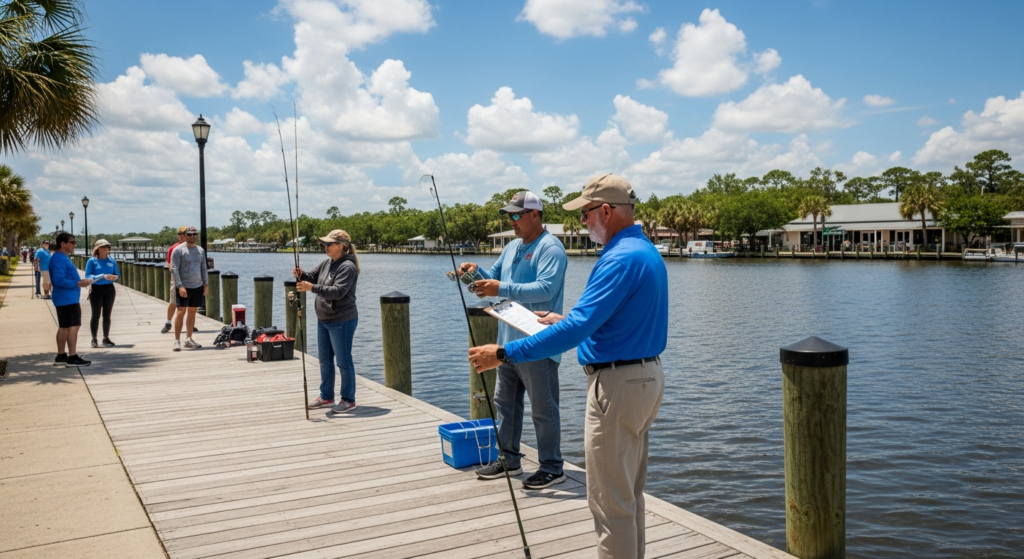
As recreational fishing continues to be a popular activity across the Lowcountry, new safety recommendations have been issued, focusing on critical precautions for anglers navigating the summer heat and waterways around Beaufort. The guidance addresses essential aspects of health, environmental awareness, and responsible practices to ensure a safer experience on the water.
Central to the recommendations is the emphasis on hydration. Anglers are advised to drink water regularly throughout their fishing trips, aiming for a minimum of eight glasses daily. This intake should increase significantly when experiencing heavy sweating, a common occurrence during Beaufort’s humid summer months. Maintaining proper hydration is crucial to prevent heat-related illnesses, which can quickly escalate in the intense Lowcountry climate, particularly for those spending extended periods on the Beaufort River, Port Royal Sound, or other local waterways.
Sun protection is another key component of the guidance. It recommends applying broad-spectrum sunscreen with an SPF of at least 30 to all exposed skin. This application should occur 15 to 30 minutes before heading outdoors and be reapplied every two hours, or more frequently after sweating heavily or water exposure. Beyond sunscreen, anglers are encouraged to use wide-brimmed hats, UV-protective clothing, and polarized sunglasses to shield themselves from the sun’s powerful ultraviolet rays, which are particularly strong during the summer in Beaufort.
The guidance also details the symptoms of heat exhaustion, urging anglers to recognize warning signs such as heavy sweating, weakness, dizziness, nausea, headache, and muscle cramps. Should these symptoms arise, immediate action is recommended: move to a shaded area or air-conditioned space, consume cool water or electrolyte-rich drinks, and actively cool the body with wet towels or by fanning. Understanding these indicators and responding promptly can prevent more severe heat-related conditions.
Weather awareness is paramount for safe fishing. Anglers are advised to meticulously check weather forecasts, heat advisories, and severe-weather alerts before and during their trips. For those fishing in tidal waters like the Beaufort River or Coosaw River, consulting tide charts is essential for navigation and understanding fish behavior. River conditions, including currents and water levels, should also be monitored. The Lowcountry’s summer weather can be unpredictable, with sudden thunderstorms and squalls developing rapidly, making continuous vigilance critical for safety.
Equipping oneself with essential gear is also highlighted. A well-stocked first aid kit, ample water, high-energy snacks, and a cooler with ice packs are fundamental. Sun-protection items, a multi-tool or fishing knife, extra clothing, and a lightweight waterproof jacket are also recommended to address various contingencies that may arise on the water. These items are practical necessities for any outing, whether on the open waters of Port Royal Sound or a quiet creek off the Broad River.
Finally, the guidance promotes responsible fishing practices to ensure the sustainability of local fish populations. Recommendations include using barbless hooks or crimping hook barbs to minimize injury to fish. When handling fish, anglers should wet their hands, avoid touching the gills and eyes, and support the fish’s entire body. Limiting the time a fish remains out of the water is crucial for its survival, especially when practicing catch-and-release. These practices contribute to the health of the marine ecosystem that defines much of Beaufort’s natural appeal.
Why it matters in Beaufort
For residents and visitors who frequent the extensive waterways of Beaufort County, adhering to these fishing safety guidelines is not merely a suggestion but a practical necessity. The summer climate in Beaufort, characterized by high temperatures and humidity, presents real risks of heat-related illness, while the strong sun demands diligent protection. Furthermore, the health of the Beaufort River watershed and the broader Port Royal Sound ecosystem relies on responsible angling practices. By following these recommendations, individuals can help ensure their personal well-being and contribute to the long-term vitality of the beloved local fisheries, reducing strain on emergency services like Beaufort Memorial Hospital for preventable heat-related incidents and preserving the natural resources that are central to the region’s identity.