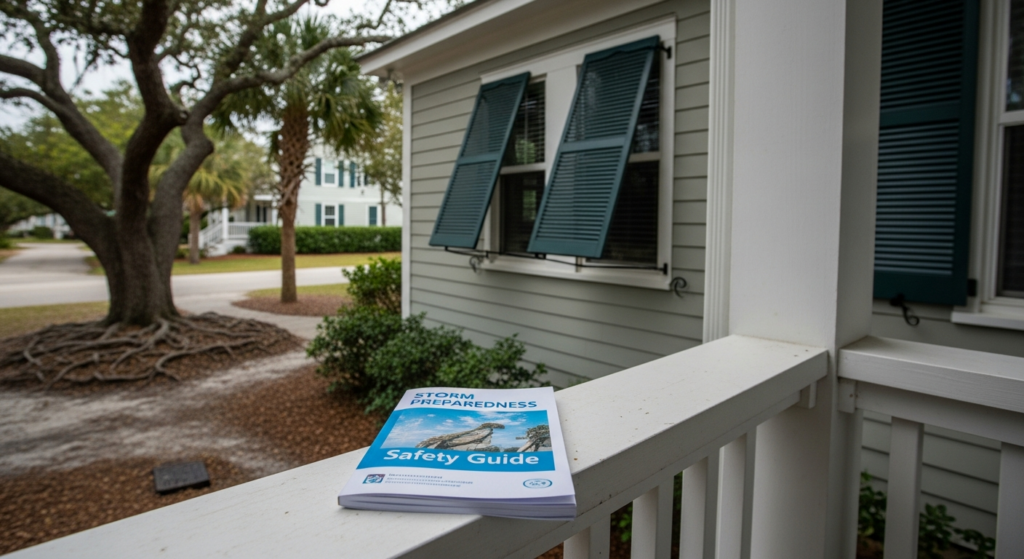
A new storm safety guide has been released, offering detailed recommendations for Beaufort homeowners to prepare for, endure, and recover from various severe weather events. The guide emphasizes that natural disasters, including hurricanes, tornadoes, floods, and ice storms, can strike with minimal warning, necessitating proactive measures to protect property and ensure personal safety.
The preparatory checklist provided in the guide covers several key areas of home maintenance and readiness. Before a storm’s arrival, residents are advised to conduct thorough inspections of their roofs, looking for any missing, loose, or damaged shingles that could compromise the home’s integrity. Sealing gaps around windows, doors, and siding is another critical step to prevent water intrusion and reduce structural vulnerability. Given Beaufort’s coastal environment and susceptibility to heavy rainfall, ensuring gutters and downspouts are clean and securely fastened is paramount to direct water away from foundations.
Trimming tree branches that hang over or are in close proximity to the home can significantly reduce the risk of damage from falling limbs during high winds. Outdoor furniture, grills, and other loose items should be anchored or moved into a garage or sheltered location to prevent them from becoming dangerous projectiles. For homes equipped with storm shutters or other window protection, the guide recommends installing or testing these systems well in advance of any forecasted severe weather. Vehicles should also be moved to a garage or other secure, sheltered spot. Finally, reviewing existing insurance coverage and documenting the home’s current condition with photographs are crucial steps for streamlining potential claims after a storm. This comprehensive approach aims to minimize property damage and enhance safety across Beaufort.
An essential component of storm preparedness is assembling a well-stocked emergency kit. The guide specifies several critical items for this kit, starting with bottled water—at least one gallon per person per day for a minimum of three days. Non-perishable food items, along with a manual can opener, are also vital. Lighting sources such as flashlights, headlamps, and an ample supply of batteries are necessary for power outages. A first-aid kit, prescription medications, and a battery-powered or hand-crank weather radio are indispensable for health and staying informed.
In an era of digital reliance, cell phone chargers and portable power banks are crucial for communication. Important documents, including identification, insurance policies, and medical records, should be stored in waterproof bags. Cash in small denominations is recommended, as electronic transactions may not be possible during widespread power outages. Blankets, extra clothing, sturdy shoes, and hygiene supplies complete the list, ensuring basic comfort and sanitation for several days.
Beaufort’s geography, with its numerous rivers like the Beaufort River, Broad River, and Coosaw River, and its proximity to Port Royal Sound, makes it particularly susceptible to flooding and heavy rain, especially during the summer months. The guide offers specific recommendations to mitigate flood risks. Installing and regularly maintaining a sump pump is advised for homes with basements or crawl spaces. Improving yard drainage so that soil slopes away from the foundation can prevent water from pooling around the home. Extending downspouts several feet from the house further helps to divert rainwater effectively.
Sealing foundation and basement openings can prevent water intrusion, while keeping gutters and drains clear is essential to manage water flow. For properties in known flood-prone areas, elevating utilities and valuables can protect them from water damage. Neighborhoods such as Mossy Oaks and Pigeon Point, which have historically experienced drainage challenges, may find these recommendations particularly pertinent.
While less common than tropical storms, winter weather can also pose risks in Beaufort. The guide includes advice for preparing for colder conditions, such as insulating exposed pipes to prevent freezing and bursting. Disconnecting and draining outdoor hoses before freezing temperatures arrive is also important. Clearing gutters and downspouts is crucial not only for rain but also to prevent ice dams from forming, which can cause significant roof damage. Homeowners are advised to keep flashlights, batteries, blankets, and backup heat sources readily available. A critical safety warning is never to operate a generator indoors, due to the risk of carbon monoxide poisoning. Finally, safely clearing snow from walkways, driveways, and especially from heating and dryer vents, is recommended to ensure proper appliance function and prevent hazards.
Once a storm has passed and it is safe to do so, the guide outlines steps for homeowners to assess damage and begin recovery. The first instruction is to wait until all immediate hazards, such as downed power lines or standing water, have cleared. A thorough inspection of the home should then be conducted, focusing on the roof, gutters, siding, windows, HVAC units, solar panels, and doors. Inside, ceilings and attics should be checked for any signs of water intrusion or structural compromise.
Documenting all damage meticulously with photographs and detailed notes is crucial for insurance claims. This evidence will be vital when communicating with insurance providers. The guide also advises making temporary repairs, such as covering damaged roofs with tarps or boarding up broken windows, to prevent further damage from subsequent weather or exposure.
Power outages, especially during Beaufort’s warm summer, can present significant health risks. The guide specifically addresses heat safety, stating that if the indoor air temperature exceeds 95 degrees Fahrenheit during a power outage, it is time to seek a cooler environment. Residents are encouraged to go to places like public libraries, movie theaters, local stores, or designated community cooling stations. In Beaufort, facilities such as the Beaufort County Library or community centers could serve as vital resources during prolonged outages, offering a safe, air-conditioned respite from the heat. Beaufort Memorial Hospital also serves as a critical resource for medical emergencies, though it is not typically a public cooling station unless designated as such during a crisis.
Why it matters in Beaufort
The comprehensive storm safety guide provides a vital framework for residents of Beaufort to protect their homes and families against the array of natural disasters common to the Lowcountry. With its coastal location and numerous waterways, Beaufort is particularly vulnerable to hurricanes, tropical storms, and associated flooding, making proactive preparedness essential. The recommendations for inspecting roofs, securing outdoor items, and managing drainage are directly applicable to the many homes situated near the Beaufort River, Broad River, and Port Royal Sound, as well as in neighborhoods like Mossy Oaks and Battery Point. By following these guidelines, homeowners can significantly reduce property damage, enhance personal safety, and lessen the burden on emergency services provided by entities like the Beaufort County Government and Beaufort Memorial Hospital during and after severe weather events. This preparedness ensures the community’s resilience in the face of environmental challenges.