As summer continues across the Lowcountry, those venturing onto the waters of the Beaufort River, Broad River, and Port Royal Sound for fishing are encouraged to review a recently highlighted safety guide. The comprehensive recommendations address critical concerns ranging from sun protection and hydration to recognizing and responding to heat emergencies and ensuring boat preparedness, all vital for safe recreation in Beaufort’s warm climate.
One of the primary dangers during summer fishing is prolonged exposure to the sun. The guide emphasizes that the sun’s ultraviolet (UV) rays are strongest between 10 AM and 4 PM, a period when many anglers are actively on the water. A significant factor often overlooked is the reflective property of water surfaces, which can amplify UV radiation exposure by up to 15 percent. To counter this, the guide strongly recommends using a broad-spectrum sunscreen with a sun protection factor (SPF) of at least 30, with SPF 50+ being preferable for extended periods on the water. Proper application is key: sunscreen should be applied approximately 30 minutes before heading out and reapplied every two hours, or more frequently if an individual is sweating heavily or has been splashed by water.
Beyond topical protection, the guide details essential protective equipment. Lightweight, long-sleeved clothing with a UPF (Ultraviolet Protection Factor) rating is highly recommended, particularly in light colors that reflect sunlight rather than absorb it. A wide-brimmed hat, offering at least four inches of coverage around the entire head, is crucial for protecting the face, ears, and neck. Additionally, polarized sunglasses that provide 100 percent UV protection are advised to safeguard eyes from both direct and reflected sunlight, which can cause long-term damage and impair vision on the water.
Hydration is another cornerstone of summer safety, especially in Beaufort’s humid environment. The guide advises anglers to consume at least eight ounces of water every 15 to 20 minutes while actively fishing. This proactive approach to fluid intake is critical, as thirst can often be a late indicator of dehydration. Starting hydration the night before a fishing trip is also recommended to ensure the body is adequately prepared. Beverages high in caffeine or alcohol should be avoided, as they can contribute to dehydration rather than alleviate it. For those engaged in strenuous activity or experiencing significant sweating, sports drinks can be beneficial in replacing electrolytes lost through perspiration.
Recognizing the early signs of dehydration is paramount for preventing more severe health issues. Initial indicators include increased thirst, a dry mouth, decreased frequency of urination, and a general feeling of fatigue. As dehydration progresses, more severe symptoms can manifest, such as dizziness, a rapid heartbeat, and confusion. Anglers and their companions are urged to monitor each other for these signs and take immediate action to rehydrate.
Heat-related emergencies represent a serious risk during summer, with the guide distinguishing between heat exhaustion and the more dangerous heat stroke. For heat exhaustion, the recommended response involves moving the affected person to a shaded or cooler area, removing any unnecessary or excess clothing, and applying cool water to their skin. If the individual is conscious and able to swallow, they should be given cool fluids to drink. Heat stroke, however, is a medical emergency requiring immediate attention. Symptoms include a body temperature exceeding 103°F, an altered mental state (such as confusion or irritability), hot and dry skin (though sometimes it can be clammy), a rapid pulse, and potentially unconsciousness. In such cases, 911 must be called immediately, and aggressive cooling measures, such as applying ice packs to the neck, armpits, and groin, should be initiated while awaiting emergency medical services.
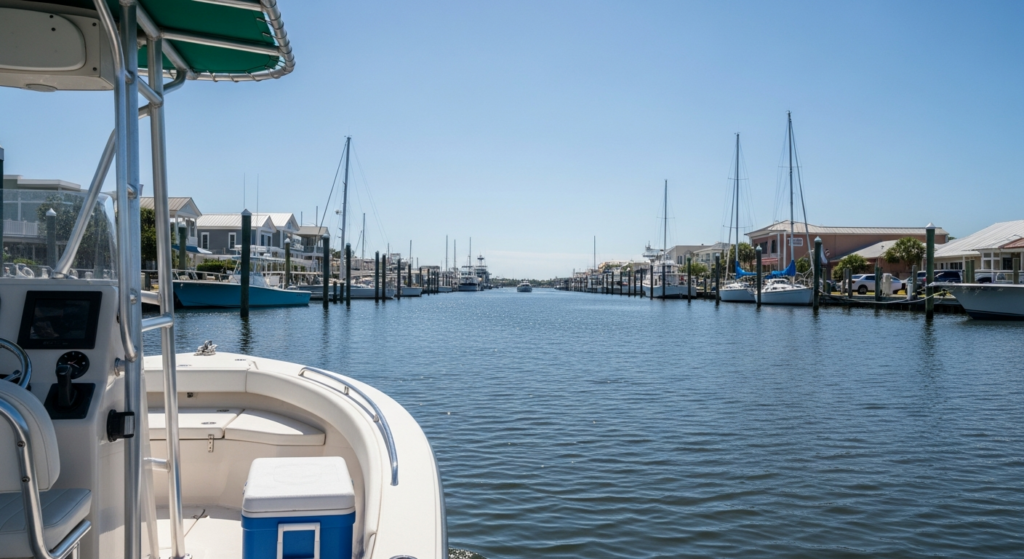
Boat preparedness is equally critical for safety on Beaufort’s extensive waterways. The guide stresses the importance of ensuring adequate shade is available on the vessel, along with functioning safety equipment such as life vests, flares, and a first-aid kit. A thorough check of the engine cooling system before departure is also recommended to prevent breakdowns that could leave anglers stranded in the heat. Filing a float plan with a trusted contact, detailing the intended route and expected return time, provides a crucial safety net. Furthermore, carrying extra water and emergency supplies, including a VHF radio for reliable communication, is advised. For extended trips, the guide suggests carrying at least one gallon of water per person per day for emergencies, a provision that could prove life-saving if unexpected delays occur.
Why it matters in Beaufort
The emphasis on summer fishing safety holds particular relevance for Beaufort, a city deeply connected to its coastal environment and waterways. With the Beaufort River, Broad River, and Port Royal Sound serving as popular destinations for both recreational and commercial fishing, a significant portion of the community regularly engages in water-based activities. Adhering to these safety guidelines can directly prevent heat-related illnesses and boating incidents, reducing the strain on local emergency services, including Beaufort Memorial Hospital and the U.S. Coast Guard. Ensuring the well-being of those on the water contributes to the overall health and safety of the Beaufort community, allowing residents and visitors alike to enjoy the natural beauty of the Lowcountry responsibly. The guidelines underscore a proactive approach to mitigating risks inherent in the region’s summer climate.