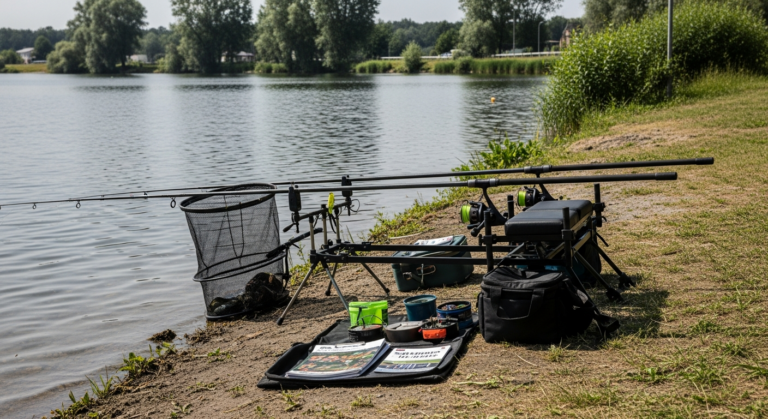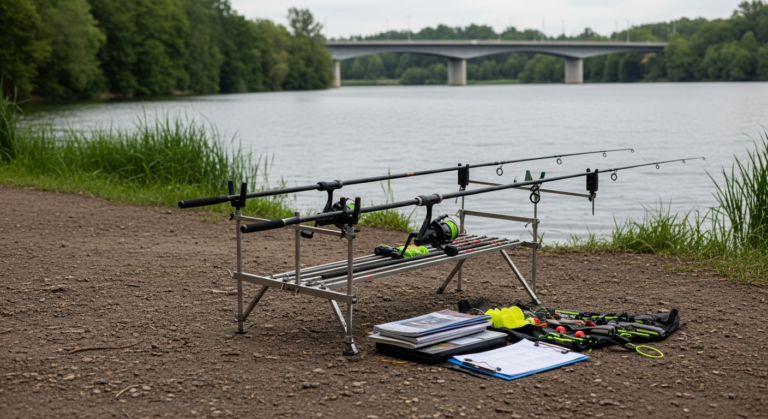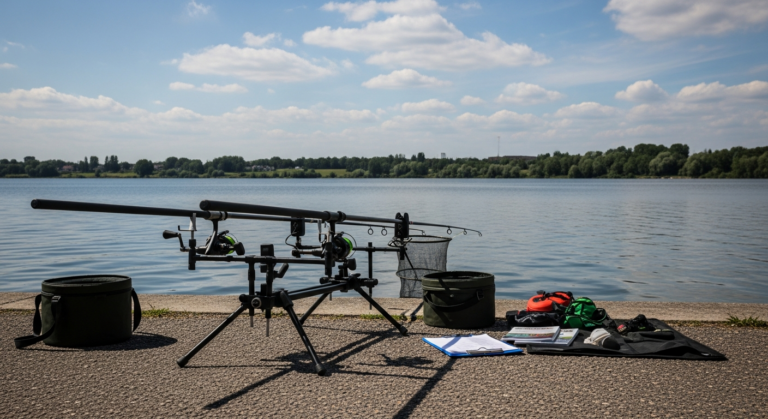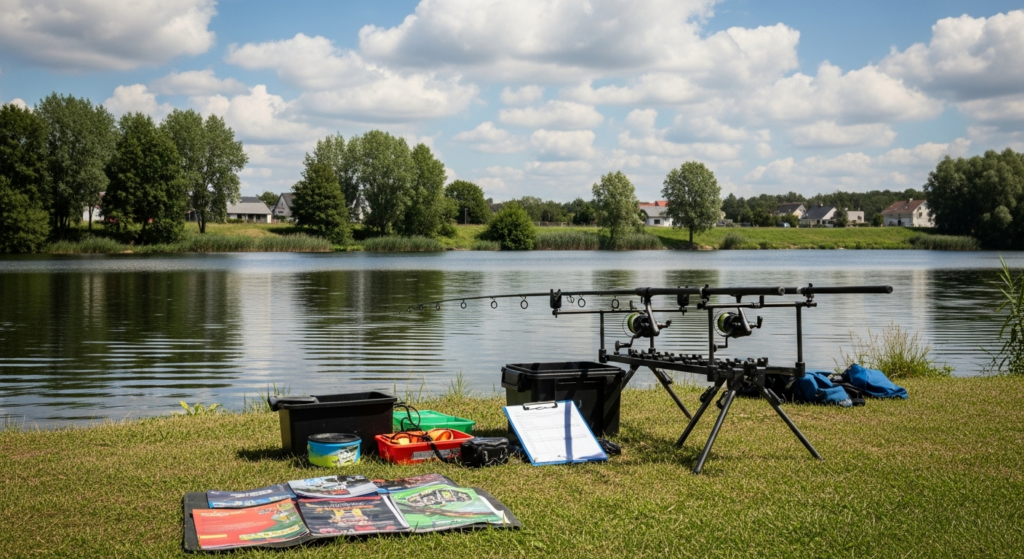
As summer fishing continues across Beaufort’s extensive waterways, a new safety resource emphasizes the critical precautions anglers should take to mitigate risks associated with high temperatures and prolonged sun exposure. The guide, compiled from expert recommendations, focuses on sun protection, adequate hydration, recognizing heat-related illnesses, and ensuring preparedness for both shore and boat-based fishing excursions.
One of the primary concerns for anglers is the intense ultraviolet (UV) radiation during the summer months. The sun’s rays are notably strongest between 10 AM and 4 PM, a period when many fishing enthusiasts are often on the water. Compounding this, water surfaces can reflect up to 15% of UV radiation, effectively increasing an individual’s exposure even under seemingly mild conditions. Experts recommend using broad-spectrum sunscreen with a minimum Sun Protection Factor (SPF) of 30, with SPF 50 or higher being advisable for extended periods on the water. For maximum effectiveness, sunscreen should be applied approximately 30 minutes before heading outdoors and reapplied every two hours. This frequency should increase if an individual is sweating heavily or frequently splashing in the water.
Beyond sunscreen, protective clothing plays a vital role in preventing sunburn and reducing UV exposure. Lightweight, long-sleeved clothing with a UPF (Ultraviolet Protection Factor) rating is highly recommended. A wide-brimmed hat, offering at least four inches of coverage, is essential for protecting the face, ears, and neck from direct sunlight. Polarized sunglasses with 100% UV protection are also crucial, not only for vision clarity on the water but also for safeguarding eye health from harmful rays and glare.
Hydration is another cornerstone of summer safety, particularly in the humid climate of Beaufort. The guide advises anglers to begin hydrating the night before a fishing trip, ensuring their bodies are well-prepared for fluid loss. During active fishing, it is recommended to drink at least eight ounces of water every 15 to 20 minutes. Beverages high in caffeine or alcohol should be avoided, as they can contribute to dehydration rather than alleviate it. Early signs of dehydration include increased thirst, dry mouth, reduced urination, and general fatigue. If these symptoms are ignored, more severe indicators such as dizziness, a rapid heartbeat, and confusion can emerge, signaling a more serious condition.
Recognizing and responding to heat-related illnesses is paramount. Heat stroke, a medical emergency, is characterized by a body temperature exceeding 103°F, an altered mental state, and hot, dry skin, although sweating may still be present. A rapid pulse and potential unconsciousness are also critical signs. In such cases, the guide explicitly states to call 911 immediately and initiate aggressive cooling measures while awaiting professional medical assistance.
For those venturing out on the Beaufort River, Broad River, or into the Port Royal Sound by boat, additional precautions are necessary. Before departure, boaters should meticulously check their engine cooling systems to prevent breakdowns in remote areas. Filing a float plan with a trusted contact is also advised, detailing the intended route, expected return time, and number of people on board. This ensures that help can be dispatched quickly if a vessel becomes overdue. Essential emergency supplies should include a VHF radio for communication, a comprehensive first-aid kit, and ample cooling supplies. Crucially, boaters should carry at least one gallon of water per person per day for emergencies, accounting for potential delays or unexpected circumstances.
General safety practices also include timing fishing excursions to avoid the harshest sun, such as fishing before sunrise or a few hours before sunset. Utilizing natural shade or portable shelters, and taking frequent breaks from direct sun exposure, can significantly reduce risk. Carrying a well-stocked first-aid kit and additional cooling supplies like wet towels or spray bottles can provide immediate relief. Informing someone of your fishing plan, including your location and expected return time, creates an important safety net, particularly for those fishing in more secluded areas such as parts of Hunting Island State Park or the ACE Basin National Wildlife Refuge.
Why it matters in Beaufort
Beaufort’s identity is deeply intertwined with its coastal environment and the opportunities it provides for recreation, including fishing in the Beaufort River and surrounding waters. The well-being of residents and visitors who engage in these activities directly impacts the community. Adhering to these safety guidelines can prevent serious medical emergencies, reducing the strain on local healthcare providers like Beaufort Memorial Hospital and Naval Hospital Beaufort. By promoting responsible practices, the community ensures that its natural assets remain accessible and enjoyable for everyone, safeguarding both individual health and the reputation of Beaufort as a prime destination for outdoor pursuits. These measures are particularly important during the peak summer season, when the risks of heat-related illness are highest across the Lowcountry.